




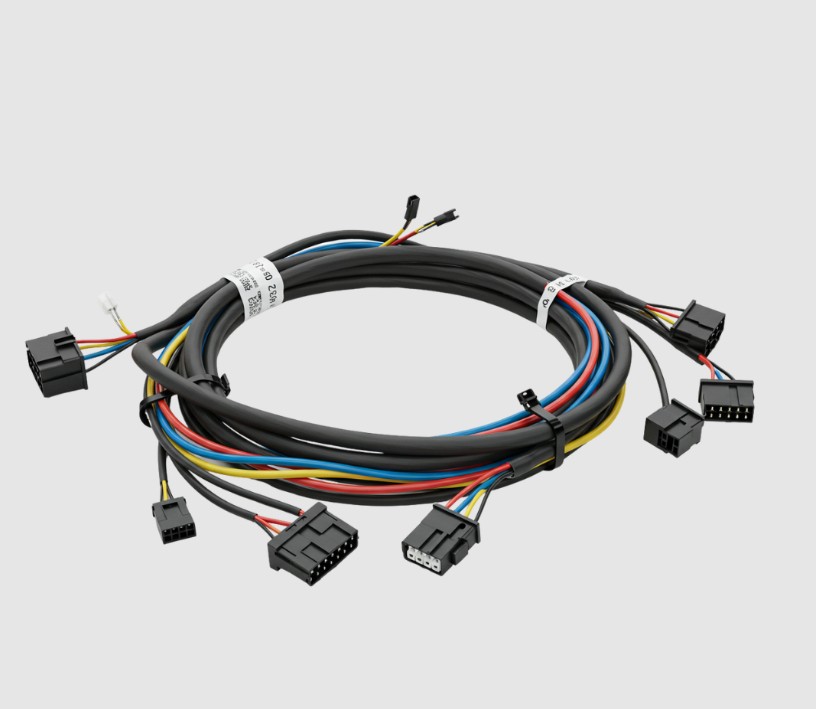
Your robot installation is scheduled for six weeks from now, and you just realized the cable assemblies you need aren't standard off-the-shelf products. You contact a manufacturer who quotes eight weeks for custom assemblies, putting your entire project timeline at risk. Now you're scrambling to find alternatives, potentially compromising on specifications just to meet the deadline, or facing expensive project delays that cascade through your entire schedule. Lead time surprises are one of the most common and frustrating problems in robotic system integration—not because manufacturers are being difficult, but because many customers don't understand what goes into producing custom cable assemblies and how long each step actually takes. A cable assembly isn't just cut wire with connectors crimped on the ends; it involves design engineering, material procurement, manufacturing setup, assembly, testing, and quality documentation. Each step takes time, and rushing any of them increases the risk of errors that cause even longer delays. Robotics cable assembly manufacturers who clearly explain lead times and the factors that affect them help you plan projects realistically, avoiding last-minute surprises that derail schedules and budgets.
This guide breaks down what goes into cable assembly lead times, helping you understand why custom assemblies take the time they do and how to plan your projects to avoid timeline problems.
What Actually Happens During Lead Time?
Lead time isn't just manufacturing time—it encompasses multiple distinct phases, each with its own timeline. Understanding these phases helps you appreciate why custom cable assemblies can't be produced overnight.
Initial consultation and specification is the first phase where you communicate your requirements to the manufacturer. This might take a few days to a week depending on application complexity and how clearly you can define requirements. Complex applications requiring detailed motion analysis or environmental assessment take longer than straightforward replacements of existing cables.
Design engineering translates your requirements into detailed cable specifications. Engineers select appropriate conductors, insulation materials, jacket compounds, and shielding configurations. They create drawings showing cable construction, connector pinouts, and assembly details. This phase typically takes one to three weeks depending on design complexity and whether the manufacturer has similar designs to reference.
Material procurement often represents the longest single phase in the lead time. Standard materials might be in stock, but specialized cables, specific connectors, or custom components might require ordering from suppliers with their own lead times. Common materials might be available immediately, while specialized items could take four to eight weeks or longer.
Manufacturing setup prepares production equipment and processes for your specific cable assembly. This includes programming automated equipment, preparing tooling for specific connectors, and creating work instructions for assembly personnel. Setup time varies from a few hours for simple assemblies to several days for complex multi-conductor cables with numerous connections.
Assembly and manufacturing is the actual production of your cable assemblies. Manufacturing time depends on assembly complexity and order quantity. Simple assemblies might be produced in hours, while complex harnesses with dozens of connections might take days per unit.
Testing and quality control verifies that assemblies meet specifications. Every cable typically undergoes continuity testing, insulation resistance testing, and visual inspection. Some applications require additional testing like hipot testing, pull testing, or flex testing. Testing adds hours to days depending on test requirements.
Documentation preparation creates the paperwork that accompanies your assemblies—test reports, certificates of compliance, material certifications, and installation instructions. Documentation preparation typically takes a few days but can extend longer for applications requiring extensive compliance documentation.
Packaging and shipping is the final phase, typically taking a few days depending on your location and shipping method selected.
Understanding these phases helps you see that lead time isn't arbitrary—it reflects the actual work required to design, source materials for, manufacture, and validate custom cable assemblies.
How Do Custom vs. Standard Assemblies Differ?
The distinction between custom and standard assemblies dramatically affects lead times. Understanding this difference helps set realistic expectations.
Standard assemblies use predetermined designs with established material sources and manufacturing processes. The manufacturer has made these assemblies before, has materials in stock, and knows exactly how to produce them. Standard assemblies might ship in days or a couple of weeks since design and material procurement phases are eliminated.
Custom assemblies require design work specific to your application. Even if the manufacturer has made similar cables, your specific requirements—conductor count, cable length, connector types, environmental ratings—create a unique design. Custom assemblies require all the phases described above, extending lead times significantly.
Semi-custom assemblies fall between these extremes. The manufacturer might have a standard cable design but needs to apply different connectors or adjust the length for your application. Semi-custom assemblies skip some design work but still require material procurement and manufacturing setup, resulting in moderate lead times.
Prototype vs. production quantities also affect timelines. Prototype assemblies (typically 1-10 units) might be expedited through production to support your testing and validation. Production quantities (hundreds or thousands of units) require more extensive manufacturing setup but benefit from economies of scale once production begins.
Design reuse significantly reduces lead times for repeat orders. Once a custom design is complete and validated, reorders skip the design phase and move directly to material procurement and manufacturing. This is why first orders take longer than subsequent orders of the same assembly.
Material availability is often the determining factor in whether an assembly can be produced quickly. If all required materials are in stock, manufacturing can begin immediately. If specialized materials must be ordered, the entire lead time extends by the supplier's lead time.
Robotic Cable Assembly maintains inventory of commonly used materials for robotic applications, reducing material procurement time for many assemblies and enabling faster turnaround than manufacturers who order all materials specifically for each project.
What Factors Extend Lead Times?
Several factors can extend lead times beyond typical ranges. Being aware of these factors helps you avoid them or plan for the additional time they require.
Specialized materials with long supplier lead times extend overall lead times. Exotic insulation compounds, specialized connectors, or custom components might require weeks or months to procure. Identifying material requirements early in the project helps avoid surprises.
Custom connectors or overmolding adds significant time. Standard connectors can be assembled in minutes, but custom overmolded connectors require mold design, mold fabrication, and overmolding setup—potentially adding weeks to the timeline.
Extensive testing requirements beyond standard electrical testing extend lead times. Flex testing to validate cable life, environmental testing under temperature extremes or chemical exposure, or protocol-specific testing for data communication all require additional time.
Certification requirements can add weeks or months if the cable assembly needs UL listing, CE marking, or other third-party certifications. Initial certifications require submitting samples to testing laboratories and waiting for test results and approval.
Design complexity affects engineering time. A simple power cable with two conductors and basic connectors might be designed in hours. A complex harness with 50+ conductors, multiple branches, and specialized routing requirements might require weeks of engineering.
Unclear specifications cause delays when manufacturers must repeatedly contact you for clarification. Providing complete, detailed specifications upfront prevents back-and-forth that extends the design phase.
Order quantity affects manufacturing time. Small quantities might be produced quickly, while large quantities require more manufacturing time. However, very small quantities (1-2 units) might actually take longer if the manufacturer must set up equipment for such a small run.
Supplier issues occasionally extend lead times when material suppliers face their own delays. Supply chain disruptions, material shortages, or quality issues with supplied components can cascade into your project timeline.
Seasonal demand affects lead times at some manufacturers. Busy periods might extend lead times as production schedules fill up, while slower periods might allow faster turnaround.
Understanding these factors helps you identify potential timeline risks early and work with manufacturers to mitigate them.
How Can You Reduce Lead Times?
While some lead time is unavoidable, several strategies can minimize delays and keep your project on schedule.
Start early is the single most effective strategy. Engaging with cable assembly manufacturers early in your project—ideally during the design phase rather than waiting until you're ready to order—provides maximum flexibility and eliminates time pressure.
Provide complete specifications upfront to avoid delays from clarification requests. Include conductor requirements, environmental conditions, connector specifications, cable lengths, and any special requirements in your initial request. The more complete your specifications, the faster manufacturers can design solutions.
Be flexible on materials when possible. If you can accept alternative materials with equivalent performance, manufacturers can use what's readily available rather than waiting for specific items. Specifying performance requirements rather than specific part numbers provides this flexibility.
Consider standard designs when they meet your requirements. If a manufacturer's standard cable assembly works for your application, you'll receive it much faster than a custom design. Ask manufacturers if they have existing designs that meet your needs.
Order prototypes early to validate designs while material procurement for production quantities proceeds. This parallel approach reduces overall project timeline by allowing testing and validation to occur while materials are being sourced.
Maintain inventory of cables you use regularly. Once a custom design is validated, ordering quantities for inventory eliminates lead time for future installations. This strategy works well for system integrators or OEMs with ongoing cable needs.
Build relationships with manufacturers who understand your applications. Manufacturers familiar with your requirements can often expedite orders because they understand your needs and might maintain inventory of materials you commonly use.
Plan for contingencies by adding buffer time to your project schedule. If the manufacturer quotes four weeks, plan for five or six weeks to accommodate unexpected delays without derailing your project.
Communicate urgency clearly when you have genuine time constraints. Manufacturers might be able to expedite orders when they understand the situation, but this works best when you've provided complete specifications and are flexible on other factors.
Avoid changes once manufacturing begins. Design changes after production starts typically require restarting the process, significantly extending lead times and often incurring additional costs.
Robotic Cable Assembly works with customers to identify opportunities to reduce lead times while maintaining quality and ensuring assemblies meet all requirements.
What Are Typical Lead Times for Different Assemblies?
While every project is unique, understanding typical lead time ranges helps you plan realistically.
Simple standard assemblies (basic power cables with standard connectors, using common materials) might ship in 1-2 weeks. These assemblies require minimal design work, use in-stock materials, and can be manufactured quickly.
Custom assemblies with standard materials (unique conductor configurations or lengths, but using readily available cables and connectors) typically require 3-4 weeks. This allows time for design, material procurement of any items not in stock, manufacturing, and testing.
Complex custom assemblies (specialized materials, multiple branches, extensive testing requirements) often require 6-8 weeks or longer. The additional time accommodates engineering complexity, specialized material procurement, and comprehensive testing.
Assemblies requiring certifications add weeks or months depending on the certification. UL listing of a new design might add 4-8 weeks for testing and approval. Industry-specific certifications might take even longer.
Prototype quantities (1-10 units) might be expedited to 2-3 weeks for urgent projects, though this depends on material availability and manufacturer capacity.
Production quantities (hundreds or thousands of units) might have longer overall lead times but benefit from economies of scale. An order of 500 assemblies might take 8-10 weeks total, but the per-unit manufacturing time is much lower than for small quantities.
Repeat orders of previously designed assemblies typically ship in 2-4 weeks since design work is complete. Lead time depends primarily on material availability and production scheduling.
Rush orders might be accommodated with expedite fees, potentially reducing lead times by 25-50% depending on the situation. However, rushing increases costs and might compromise quality if steps are compressed too aggressively.
These ranges are guidelines—actual lead times depend on specific requirements, material availability, manufacturer capacity, and other factors. Always confirm lead times with your specific manufacturer for your specific requirements.
How Should You Plan Projects Around Lead Times?
Effective project planning accounts for cable assembly lead times and builds in appropriate buffers to avoid schedule problems.
Identify cable requirements early in the project design phase. Don't wait until you're ready to install robots to think about cables. Early identification allows engaging manufacturers with adequate lead time.
Request quotes early even if you're not ready to order. Getting quotes provides lead time information you can incorporate into project schedules. Many manufacturers will hold quotes for reasonable periods (30-90 days).
Order long-lead items first when your project requires multiple components with different lead times. If cable assemblies require eight weeks while other components need only four weeks, order cables first to align delivery schedules.
Build schedule buffers to accommodate potential delays. If the manufacturer quotes four weeks, schedule six weeks in your project plan. This buffer absorbs minor delays without affecting your overall timeline.
Plan for testing and validation time after receiving assemblies. You'll need time to inspect assemblies, test them in your system, and address any issues before final installation. Don't schedule installation the day after assemblies arrive.
Communicate schedule constraints clearly to manufacturers. If you have a firm deadline, explain the situation upfront so manufacturers can assess whether they can meet it and identify potential risks.
Consider phased ordering for large projects. Order prototype assemblies first to validate designs, then order production quantities once prototypes are confirmed. This approach adds overall time but reduces risk of producing large quantities of assemblies that don't meet requirements.
Maintain project communication with manufacturers throughout the lead time. Regular updates on order status help you identify potential delays early and adjust plans if necessary.
Plan for contingencies including backup suppliers or alternative designs if primary plans face unexpected delays. Having contingency plans prevents single points of failure in your project schedule.
Effective planning treats cable assemblies as critical path items requiring the same attention as major equipment purchases, not as afterthoughts to be ordered at the last minute.
Get Realistic Lead Times and Reliable Delivery
Understanding cable assembly lead times helps you plan projects realistically and avoid schedule surprises. Working with manufacturers who clearly communicate lead times and consistently meet commitments keeps your projects on track.
For custom cable assemblies with clear lead time communication and reliable delivery for robotics and industrial automation applications, contact Ivy Zhao at Robotic Cable Assembly by
calling +1 231 525 7998 or emailing [email protected]. Located at 2400 Commercial Dr, Auburn Hills, MI 48326, USA, the team provides custom-designed and manufactured cable assemblies and wiring solutions including robot arm harnesses, drag chain cables, sensor and power cables, control cabinet wiring, and custom connector solutions—with transparent lead time estimates, proactive communication throughout the production process, and a track record of on-time delivery that helps keep your robotic system projects on schedule.
Comments