




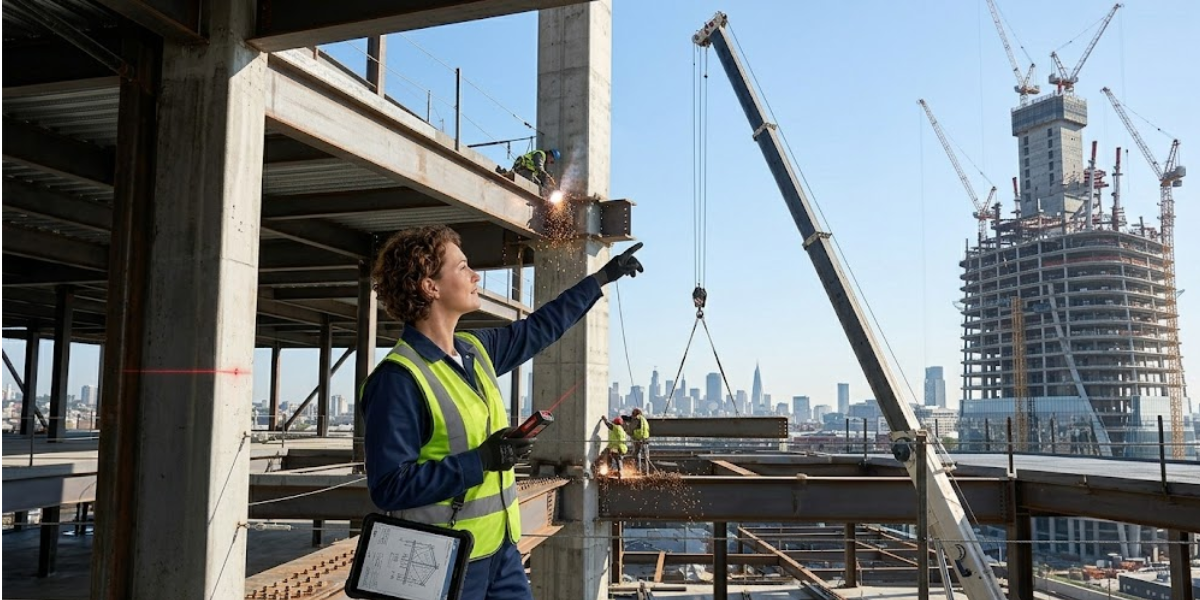
When it comes to property ownership, most people focus on aesthetics—fresh paint, modern fixtures, or stylish extensions. But beneath every beautiful home lies something far more important: structural integrity. Whether you’re buying, renovating, or simply maintaining your property, a house structural survey can reveal critical insights that aren’t visible to the untrained eye.
In today’s property landscape, where hidden issues can turn into costly surprises, investing in expert assessment is less of a luxury and more of a necessity. Let’s explore why a comprehensive structural survey matters and how it bridges the gap between ambitious design and practical, long-term value.
What Is a House Structural Survey?
A house structural survey is a detailed inspection carried out by qualified professionals to evaluate the condition of a building’s core structure. Unlike basic property inspections, this survey goes deeper—assessing foundations, load-bearing walls, roofing systems, and potential structural movement.
The goal isn’t just to identify visible defects. It’s about understanding how a property performs as a whole and whether it’s safe, stable, and suitable for future plans.
For homeowners and buyers alike, this level of insight can be incredibly empowering. It transforms uncertainty into informed decision-making.
Why Structural Surveys Matter More Than Ever
Modern homes are evolving. Open-plan layouts, loft conversions, and bespoke extensions are increasingly popular. While these changes enhance living spaces, they also place new demands on a building’s structure.
That’s where residential structural engineers come in. Their expertise ensures that every modification aligns with safety standards while preserving the integrity of the original structure.
A comprehensive survey can help you:
- Detect early signs of structural movement or subsidence
- Identify weaknesses in load-bearing elements
- Evaluate the impact of past renovations
- Plan future alterations with confidence
In short, it provides clarity before you commit to major financial decisions.
The Hidden Costs of Skipping a Survey
It’s tempting to rely on a basic valuation or visual inspection, especially when timelines are tight. But skipping a house structural survey can lead to unexpected complications down the line.
Imagine purchasing a property only to discover foundation issues months later. Repairs can be disruptive, expensive, and sometimes even affect resale value.
A structural survey acts as a safeguard. It highlights risks early, giving you the chance to negotiate, plan repairs, or reconsider your investment altogether.
Bridging Vision and Reality in Property Design
Many homeowners dream of transforming their space—knocking down walls, adding extensions, or reimagining layouts. While creativity drives these ideas, structural feasibility determines whether they can become reality.
This is where collaboration with residential structural engineers becomes essential. Their role isn’t just technical; it’s strategic. They help translate architectural vision into practical solutions that work within the limits of the building.
A structural survey provides the foundation for this process. It answers key questions:
- Can this wall be removed safely?
- Will the foundation support an additional floor?
- Are reinforcements needed for large openings or extensions?
By addressing these concerns early, you avoid costly redesigns and ensure smoother project execution.
What to Expect During the Process
A professional house structural survey typically involves a thorough on-site inspection, followed by a detailed report. The report outlines findings, highlights concerns, and often includes recommendations for repairs or improvements.
Depending on the property, surveys may also incorporate advanced techniques such as structural calculations or material assessments. This level of detail ensures that no aspect of the building’s performance is overlooked.
For homeowners, the final report becomes a valuable reference point—not just for immediate decisions, but for long-term property management.
Choosing the Right Expertise
Not all surveys are created equal. The quality of insights depends heavily on the expertise behind them. Working with experienced professionals ensures that assessments are accurate, practical, and tailored to your property’s unique characteristics.
Firms like Cullinan Construction Consultants demonstrate how technical knowledge and real-world experience can come together to deliver meaningful results. The key is to choose experts who understand both the structural and architectural aspects of a project.
This balanced perspective is what turns a survey from a checklist into a strategic tool.
When Should You Get a Structural Survey?
Timing matters. While surveys are commonly associated with property purchases, there are several scenarios where they can be equally valuable:
- Before major renovations or extensions
- After noticing cracks, uneven floors, or other warning signs
- When buying older or period properties
- Prior to selling, to address issues proactively
In each case, a house structural survey provides clarity and reduces uncertainty.
A Smarter Approach to Property Investment
At its core, a structural survey is about making smarter decisions. It’s not just about identifying problems—it’s about understanding potential.
For buyers, it offers peace of mind. For homeowners, it supports safe and effective improvements. And for investors, it ensures that every decision is backed by solid evidence.
In a market where property values and expectations continue to rise, having expert insights isn’t just helpful—it’s essential.
Final Thoughts
Your home is more than just a place to live; it’s a long-term investment. Ensuring its structural integrity is one of the most important steps you can take to protect that investment.
A comprehensive house structural survey doesn’t just uncover issues—it empowers you with knowledge. It helps you plan confidently, build safely, and align your vision with reality.
By working with skilled residential structural engineers and prioritizing expert assessment, you’re not just maintaining a property—you’re shaping its future with clarity and confidence.
Comments