


- Abuse & The Abuser
- Achievement
- Activity, Fitness & Sport
- Aging & Maturity
- Altruism & Kindness
- Atrocities, Racism & Inequality
- Challenges & Pitfalls
- Choices & Decisions
- Communication Skills
- Crime & Punishment
- Dangerous Situations
- Dealing with Addictions
- Debatable Issues & Moral Questions
- Determination & Achievement
- Diet & Nutrition
- Employment & Career
- Ethical dilemmas
- Experience & Adventure
- Faith, Something to Believe in
- Fears & Phobias
- Friends & Acquaintances
- Habits. Good & Bad
- Honour & Respect
- Human Nature
- Image & Uniqueness
- Immediate Family Relations
- Influence & Negotiation
- Interdependence & Independence
- Life's Big Questions
- Love, Dating & Marriage
- Manners & Etiquette
- Money & Finances
- Moods & Emotions
- Other Beneficial Approaches
- Other Relationships
- Overall health
- Passions & Strengths
- Peace & Forgiveness
- Personal Change
- Personal Development
- Politics & Governance
- Positive & Negative Attitudes
- Rights & Freedom
- Self Harm & Self Sabotage
- Sexual Preferences
- Sexual Relations
- Sins
- Thanks & Gratitude
- The Legacy We Leave
- The Search for Happiness
- Time. Past, present & Future
- Today's World, Projecting Tomorrow
- Truth & Character
- Unattractive Qualities
- Wisdom & Knowledge






FOLLOWERS
0
Users
Outlooks & Setbacks Saturdays
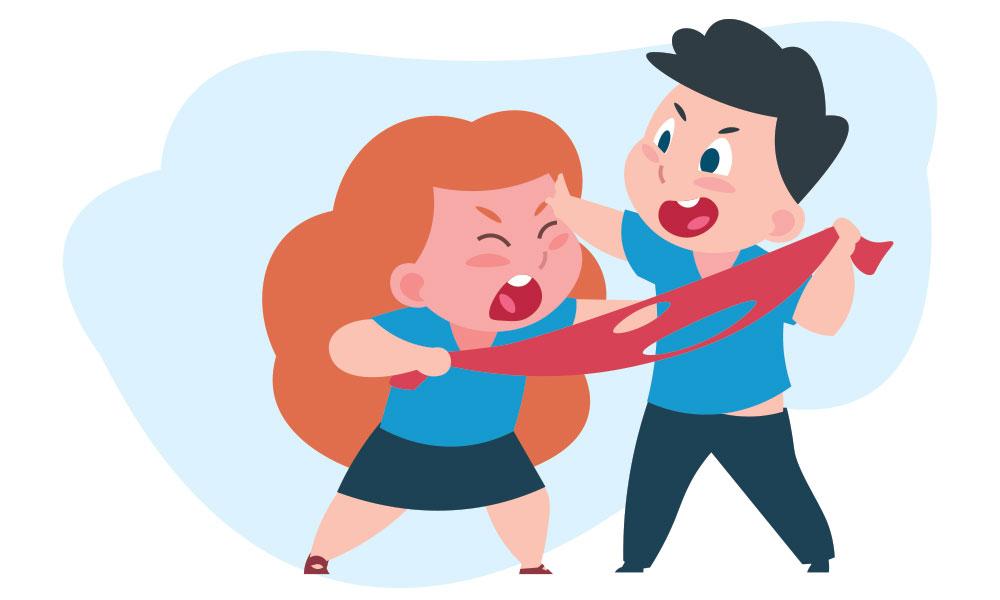
When Siblings Argue
I remember a conversation I had with my mom many years ago that has always stuck out in my mind. She told me that as a parent, you have to teach your children how to play together and get along.
I had an older sister and a younger brother and we played together a lot. Probably my sister and I played together more than my brother and I because I am 4 years older than him and my sister and I are much closer in age.
Now, I have two daughters who are 4 and 6 and it has been a very long road to teach them how to play nicely together and get along. My mom’s comment all those years ago makes so much sense to me now because my kids have the tendency to argue and fight about everything.
To be honest, it’s tiring to teach your children how to play nicely together (if they struggle with arguing), but it’s even more frustrating when they argue and fight about everything.
It’s a constant intervention of telling them to try a scenario again with using kind words, or ensuring that they understand that it has to be fun for everyone and not just one person. It’s teaching sharing and compassion and giving second chances.
Now a few years into this, I can finally say that the hard work is paying off and my kids can play quite nicely together most of the time. It’s making for a much more peaceful home without all the arguing. Sure, siblings argue and fight - that’s part of life. But teaching children how to play nicely with their siblings is such a great life skill. It helps with problem solving, relationship building, compassion, turn taking and so many other great things.
If you are struggling with children who spend their time arguing, I would encourage you to keep working on it and teaching them how to treat others the way they would want to be treated. It will pay off in the long run.
Interesting Fact #1
Sibling rivalry is normal. However, it can become a problem, particularly among children who are the same gender and close together in age.
Interesting Fact #2
Rates of sibling rivalry are lower in families where children feel they are treated equally by their parents.
Interesting Fact #3
A family experiencing sibling violence needs to seek urgent professional help.
Quote of the day
“Sibling abuse is underreported and it goes under the radar. The concern with sibling rivalry is when it turns into sibling abuse. The core root of sibling abuse is the intent to harm and control the other sibling.” ― Dana Arcuri
Article of the day - Sibling Rivalry
What Is Sibling Rivalry?
Many kids are lucky enough to become the best of friends with their siblings, but it's common for brothers and sisters to fight.
Often, sibling rivalry starts even before the second child joins the family, and continues as the kids grow and compete for everything from toys to attention. As kids reach different stages of development, their changing needs can affect how they relate to one another.
It can be frustrating and upsetting to watch — and hear — your kids argue. A household in conflict is stressful for everyone. Yet it can be hard to know how to stop the fighting, or even whether you should get involved.
Why Do Kids Fight?
Many different things can cause siblings to fight. Most brothers and sisters have some degree of jealousy or competition, which can lead to arguments and bickering. But other things also might influence how often kids fight and how severe the fighting gets. These include:
- Changing needs. It's natural for kids' changing needs, anxieties, and identities to affect how they relate to one another. For example, toddlers are naturally protective of their toys and belongings, and are learning to assert their will, which they'll do at every turn. So if a baby brother or sister picks up the toddler's toy, the older child may react badly. School-age kids often have a strong concept of fairness, so might not understand why siblings of other ages are treated differently or get what they feel is special treatment. Teens, on the other hand, are developing a sense of individuality and independence, and might resent helping with household chores, taking care of younger siblings, or even having to spend time together. All these differences can affect how kids fight with one another.
- Individual temperaments. Your kids' individual temperaments — their mood, disposition, and adaptability — and their unique personalities play a large role in how well they get along. For example, if one child is laid back and another is easily upset, they may often get into it. Similarly, a child who is especially clingy and drawn to parents for comfort and love might be resented by siblings who see this and want the same amount of attention.
- Special needs/sick kids. Sometimes, a child's special needs due to illness or learning/emotional issues may require more parental time. Other kids may act out to get attention or out of fear of what's happening to the other child.
- Role models. The way that parents deal with problems and disagreements sets a strong example for kids. Do you and your partner work through conflicts in a way that's respectful, productive, and not aggressive? This makes it more likely that your kids will do the same when they run into problems with one another. If your kids often see you shout, slam doors, and loudly argue when you have problems, they're likely to pick up those bad habits too.
What Should I Do When My Kids Fight?
When kids argue, if possible, don't get involved. Step in only if there's a danger of physical harm. If you always intervene, you risk creating other problems. The kids may start expecting your help and wait for you to come to the rescue rather than learning to work out the problems on their own. And even if you don't mean to, you could make it seem to one child that another is always being "protected," which could make them even more resentful. And "rescued" kids may feel that they can get away with more because they're always being "saved" by a parent.
If you're concerned by the language used or name-calling, it's OK to "coach" kids through what they're feeling by using appropriate words. This is different from intervening or stepping in and separating the kids.
Even then, encourage them to deal with the crisis themselves. If you do step in, try to resolve problems with your kids, not for them.
When getting involved, here are some steps to consider:
- Separate kids until they're calm. Sometimes it's best just to give them space for a little while and not rehash the conflict. Otherwise, the fight can build up again. If you want to make this a learning experience, wait until the emotions have died down.
- Don't put too much focus on figuring out which child is to blame. It takes two to fight — anyone who is involved is partly responsible.
- Next, try to set up a "win–win" situation so that each child gains something. When they both want the same toy, perhaps there's a game they could play together instead.
Remember, as kids cope with conflict, they also learn important skills that will serve them for life — like how to value another person's point of view, how to compromise and negotiate, and how to control aggressive impulses.
How Can I Help My Kids Get Along?
Simple things you can do every day to prevent fighting include:
- Set ground rules for acceptable behavior. Tell the kids to keep their hands to themselves and that there's no cursing, name-calling, yelling, or door slamming. Get their input on the rules — as well as the consequences when they break them. This teaches kids that they're responsible for their own actions, no matter the situation or how provoked they felt, and discourages fixating on who was "right" or "wrong."
- Don't let kids make you think that everything always has to be "fair" and "equal" — sometimes one kid needs more than the other.
- Give your kids one-on-one attention directed to their interests and needs. For example, if one likes to go outdoors, take a walk or go to the park. If another child likes to sit and read, make time for that too.
- When possible, make sure kids have their own space and time to do their own thing — to play with toys by themselves, to play with friends without a sibling tagging along, or to enjoy activities without having to share 50-50.
- Show and tell your kids that, for you, love is not something that comes with limits.
- Let them know that they are safe, important, and loved, and that their needs will be met.
- Have fun together as a family. Whether you're watching a movie, throwing a ball, or playing a board game, you're establishing a peaceful way for your kids to spend time together and relate to each other. This can help ease tensions between them and keeps you involved. Many kids fight over their caregiver's attention, so fun family activities can help reduce conflict.
- If your children often argue over the same things (such as video games or who controls the TV remote), post a schedule showing which child "owns" that item at what times during the week. (But if they keep fighting about it, take the "prize" away altogether.)
- If fights between your school-age kids happen a lot, hold weekly family meetings to repeat the rules about fighting and review past successes in reducing conflicts. Consider setting up a program where the kids earn points toward a fun family-oriented activity when they work together to stop battling.
- Recognize when kids just need time apart from each other and the family dynamics. Try arranging separate play dates or activities for each kid occasionally. And when one child is on a play date, you can spend one-on-one time with another.
Keep in mind that sometimes kids fight to get a parent's attention. In that case, consider taking a time-out of your own. When you leave, the motive for fighting is gone. Also, if your own fuse gets short, ask your partner to take over if their patience is greater than yours in that moment.
When Should I Get Professional Help?
Rarely, the conflict between brothers and sisters is so severe that it disrupts daily functioning, or particularly affects kids emotionally or psychologically. In those cases, it's wise to get help from a mental health provider. Get help for sibling conflict if it:
- is so severe that it's causing problems in your marriage or relationship
- creates a real danger of physical harm to any family member
- is damaging to the self-esteem or psychological well-being of any family member
- may be related to other serious concerns, such as depression
If you have questions about your kids' fighting, talk with your doctor. They can help you decide if your family might benefit from professional help and refer you to local behavioral health resources.
Question of the day - Did you play well with your siblings growing up or did you constantly fight and argue?
Peace & Forgiveness
Did you play well with your siblings growing up or did you constantly fight and argue?
Daily archives
Current Survey
Top 5 Contributors (Dec)

20209 pts

12060 pts

10714 pts

10417 pts

10117 pts