




In the world of pharmaceuticals, biotechnology, medical device manufacturing, and advanced electronics, the integrity of the production environment is not just a preference—it’s an absolute requirement. Contamination control is paramount, and this is where the concept of a cleanroom becomes critical. However, designing and building a cleanroom from the ground up is a complex, multi-disciplinary challenge that can overwhelm even established companies. This is precisely where a turnkey cleanroom solution comes into play, serving as a streamlined, all-in-one answer to a daunting task. In essence, a turnkey solution means you, the client, simply "turn the key" to a fully operational, validated, and ready-to-use cleanroom facility, with a single provider managing the entire journey from a blank space to a compliant production suite.
The Anatomy of a Turnkey Project: From Concept to Certification
A true turnkey cleanroom is not merely a room built to certain specifications; it is a fully integrated system delivered through a meticulously managed process. This process typically begins with in-depth consultation and conceptual design, where experts translate your process requirements, product flow, and regulatory standards (like ISO 14644, EU GMP, or FDA guidelines) into a viable layout. Following this, a detailed design phase fleshes out architectural plans, HVAC (Heating, Ventilation, and Air Conditioning) schematics, and utility mappings. The provider then takes responsibility for the entire construction phase, managing everything from structural modifications and wall/ceiling panel installation to the integration of complex mechanical systems. The final stages involve rigorous testing, commissioning, and formal validation to certify that the cleanroom performs to its designated ISO Class under all operational conditions.
Core Components of an Integrated Cleanroom System
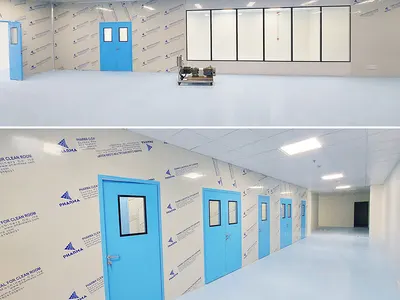
Understanding what makes up a turnkey solution requires looking under the hood at the integrated components. The heart of any cleanroom is its HVAC system, which controls particulate levels through precise air filtration (using HEPA or ULPA filters), pressure differentials, and strict regulation of temperature and humidity. The physical enclosure—comprised of smooth, non-shedding wall and ceiling panels—creates the sealed envelope. Critical utilities like purified water systems, clean process gases, and specialized electrical conduits are built-in. Furthermore, the solution encompasses essential ancillary equipment: pass-through chambers, airlocks, change room furniture, and specialized cleanroom lighting. In a turnkey model, the provider ensures all these elements are not just installed, but harmoniously integrated for optimal performance.
The Undeniable Advantages of Choosing a Turnkey Approach
The primary benefit of a turnkey solution is single-source accountability. Instead of coordinating between an architect, a general contractor, an HVAC specialist, and a validation consultant, you have one partner responsible for the entire project’s success. This drastically reduces project management overhead, minimizes communication errors, and accelerates the overall timeline. It also de-risks the project financially, as the provider typically offers a fixed-price contract after the design is finalized, protecting against unexpected cost overruns. Most importantly, an experienced turnkey vendor brings proven expertise in regulatory compliance, ensuring the finished facility is not just built right, but is also readily approvable by regulatory bodies, which is a priceless advantage in highly scrutinized industries.
Key Considerations for Selecting Your Turnkey Partner
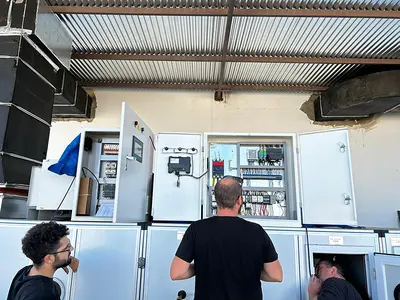
Choosing the right partner for a turnkey cleanroom is a decision with long-lasting implications. It is crucial to select a provider with a demonstrable track record in your specific industry and with the relevant cleanliness classes. Look beyond sales pitches and examine their portfolio of completed projects, and ask for client references. Evaluate their in-house capabilities—do they manage design, manufacturing, and construction with their own teams, or do they heavily rely on subcontractors? Their approach to qualification and validation should be robust and well-documented. Ultimately, the ideal partner acts as a consultant, understanding your business goals and technical needs to deliver a facility that is both compliant and operationally efficient for years to come.
Beyond Installation: The Value of Long-Term Support
The relationship with a quality turnkey provider does not end at project handover. A truly comprehensive solution includes a pathway for long-term support. This can encompass preventative maintenance contracts to ensure mechanical systems continue to operate at peak efficiency, periodic re-certification and testing services to maintain compliance, and readily available spare parts for critical components. Some providers also offer training for your facility staff on proper cleanroom protocols and basic maintenance. This ongoing partnership ensures your significant investment is protected, your cleanroom’s performance is sustained, and you have expert support on call for future modifications or expansions, safeguarding your operational continuity.
Comments