





In today's competitive transportation and logistics industry, maintaining a reliable fleet is essential for business success. Whether a company operates delivery vans, commercial trucks, buses, or service vehicles, proper fleet maintenance is critical for ensuring safety, maximizing efficiency, and minimizing operational costs. Fleet maintenance services provide comprehensive care for vehicles, helping businesses keep their operations running smoothly while reducing the risk of unexpected breakdowns and costly repairs.
What Are Fleet Maintenance Services?
Fleet maintenance services encompass a wide range of preventive and corrective maintenance solutions designed to keep vehicles in optimal condition. These services include routine inspections, oil changes, tire maintenance, brake repairs, engine diagnostics, fluid checks, battery testing, transmission servicing, and more.
The primary goal of fleet maintenance is to identify and address potential issues before they become major problems. By following a structured maintenance schedule, businesses can extend vehicle lifespan, improve performance, and ensure compliance with safety regulations.
Why Fleet Maintenance Matters
Commercial vehicles often operate under demanding conditions, covering thousands of miles each month while carrying heavy loads. Continuous use places significant stress on critical vehicle components, increasing the likelihood of wear and tear. Without regular maintenance, minor mechanical issues can quickly develop into serious failures that lead to expensive repairs and extended downtime.
Fleet maintenance services help businesses avoid these challenges by ensuring vehicles remain roadworthy and dependable. Well-maintained fleets experience fewer breakdowns, consume fuel more efficiently, and provide a safer driving environment for operators and other road users.
Key Components of Fleet Maintenance
Preventive Maintenance
Preventive maintenance is the foundation of an effective fleet management program. This proactive approach involves performing scheduled services based on mileage, operating hours, or manufacturer recommendations. Common preventive maintenance tasks include oil and filter changes, tire rotations, brake inspections, and fluid replacements.
By addressing maintenance needs before problems occur, businesses can significantly reduce repair costs and improve fleet reliability.
Vehicle Inspections
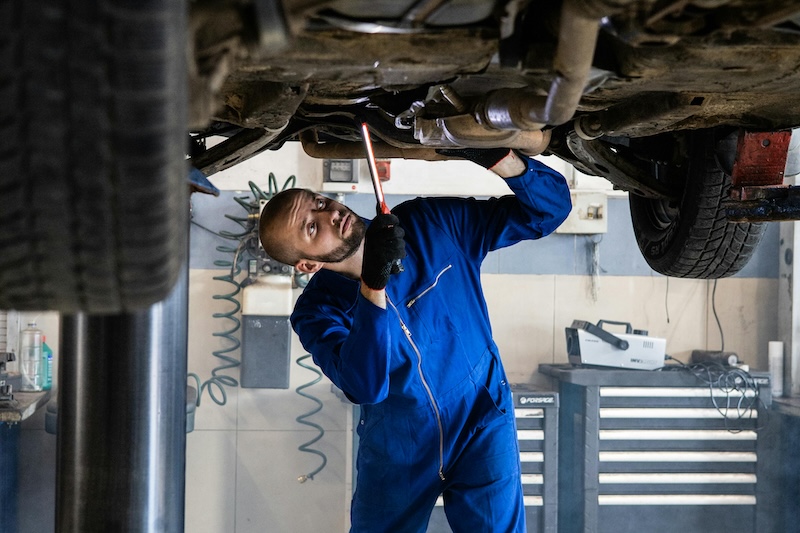
Regular vehicle inspections are essential for identifying potential safety and performance issues. Technicians inspect critical systems such as brakes, suspension, steering, tires, lighting, and engine components to ensure everything is functioning correctly.
Routine inspections help detect wear and damage early, allowing repairs to be completed before they result in vehicle failures or safety hazards.
Diagnostic Services
Modern vehicles rely on advanced electronic systems to monitor performance and efficiency. Fleet maintenance providers use specialized diagnostic equipment to identify engine faults, electrical issues, and other mechanical concerns. Accurate diagnostics enable technicians to perform targeted repairs quickly and efficiently.
Tire Management
Tires are one of the most important components of any fleet vehicle. Proper tire maintenance improves fuel efficiency, enhances safety, and extends tire lifespan. Fleet maintenance services often include tire inspections, pressure monitoring, balancing, alignment, and replacement when necessary.
Benefits of Professional Fleet Maintenance Services
Investing in professional fleet maintenance services offers numerous advantages for businesses of all sizes. One of the most significant benefits is reduced vehicle downtime. Scheduled maintenance helps prevent unexpected breakdowns, ensuring vehicles remain available for daily operations.
Another key benefit is cost savings. While maintenance requires an upfront investment, it is far less expensive than major repairs caused by neglected vehicle issues. Improved fuel efficiency also contributes to lower operating costs over time.
Fleet maintenance services also enhance safety by ensuring vehicles meet regulatory standards and operate reliably. Safe vehicles reduce the risk of accidents, protect drivers, and help businesses avoid potential legal liabilities.
Choosing the Right Fleet Maintenance Partner
Selecting a trusted fleet maintenance provider is essential for achieving long-term success. Businesses should look for service providers with experienced technicians, advanced diagnostic equipment, flexible maintenance programs, and a strong reputation for quality service.
Many providers also offer customized maintenance plans tailored to the specific needs of a fleet, helping businesses maximize efficiency while staying within budget.
Conclusion
Fleet maintenance services are a vital investment for any organization that relies on commercial vehicles. Through preventive maintenance, regular inspections, and timely repairs, businesses can improve vehicle reliability, reduce operating costs, and enhance safety. By partnering with a professional fleet maintenance provider, companies can keep their fleets performing at their best while focusing on their core business operations.
Comments