




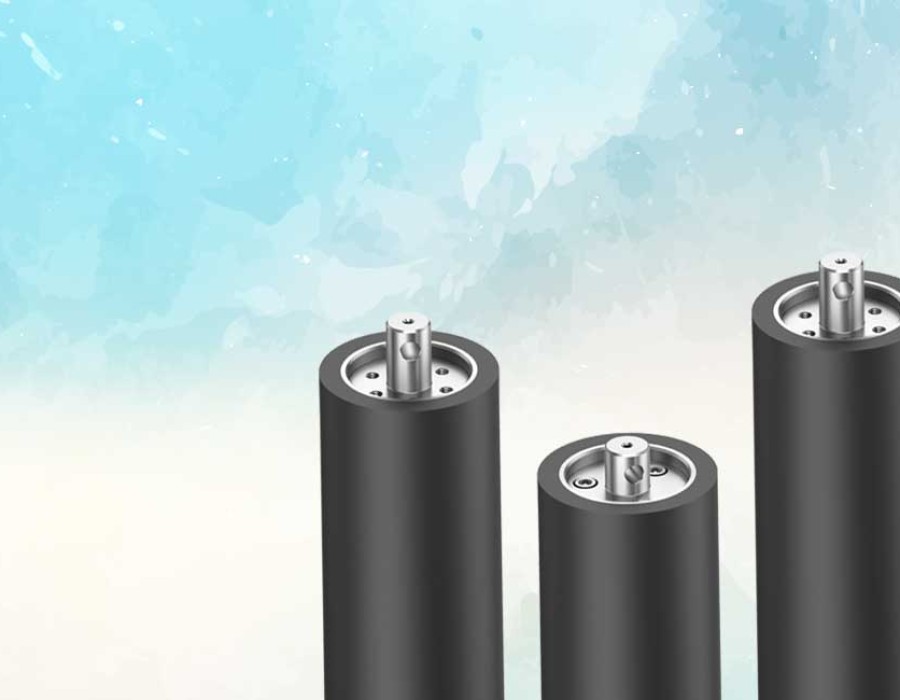
Dampening rollers play a critical role in offset printing by ensuring the correct balance between ink and water. When functioning properly, they help achieve sharp images, consistent color, and smooth press operations. However, like any mechanical component, dampening rollers are prone to wear and performance issues if not maintained correctly. Understanding common problems and following proper maintenance practices can significantly extend their lifespan and improve print quality.
Common Problems Faced by Dampening Rollers
One of the most frequent issues is uneven water distribution. This can result from worn roller surfaces, incorrect pressure settings, or contamination. Uneven dampening often leads to printing defects such as scumming, toning, or inconsistent color density across the sheet.
Another common problem is roller glazing. Over time, ink residue, paper dust, and chemical buildup can harden the roller surface, reducing its ability to absorb and transfer water efficiently. Glazed rollers typically cause poor ink-water balance and unstable print output.
Swelling or shrinking of rollers is also a concern, usually caused by improper cleaning chemicals or incorrect storage conditions. Changes in roller dimensions affect contact pressure, leading to registration issues and uneven prints. Additionally, surface cracking or hardness changes may occur due to aging, heat exposure, or poor-quality materials, ultimately reducing the effectiveness of Dampening Rollers.
Impact of Poor Maintenance
Neglecting roller maintenance can lead to frequent press stoppages, increased wastage, and higher operational costs. Inconsistent dampening affects not only print quality but also accelerates wear on other press components. Over time, replacing rollers prematurely becomes unavoidable, impacting productivity and profitability.
Essential Maintenance Tips to Extend Roller Lifespan
Regular cleaning is one of the most effective ways to maintain dampening rollers. Use manufacturer-recommended cleaners and avoid harsh solvents that can damage the rubber surface. Cleaning should remove ink, paper fibers, and chemical residues without altering the roller’s hardness.
Proper roller pressure and alignment are equally important. Excessive pressure causes unnecessary wear, while insufficient pressure leads to poor water transfer. Periodic checks and adjustments help maintain optimal contact between rollers.
Monitoring the water chemistry used in the dampening system is another key factor. Incorrect pH levels or excessive additives can degrade the rubber surface over time. Maintaining balanced fountain solutions protects rollers and ensures consistent performance.
When the press is not in use, rollers should be stored in a clean, temperature-controlled environment. Rotating them periodically during downtime helps prevent flat spots and surface deformation. Sourcing high-quality replacements from reliable suppliers, such as manufacturers of Printing Rubber Rollers in delhi, also ensures better durability and compatibility with modern presses.
Conclusion
Dampening roller problems often arise from contamination, improper settings, or lack of routine care. By understanding common issues and implementing consistent maintenance practices, printers can significantly extend roller lifespan, reduce downtime, and maintain high print quality. Preventive care not only protects the rollers but also supports smoother operations and long-term cost efficiency in any printing setup.
Comments