




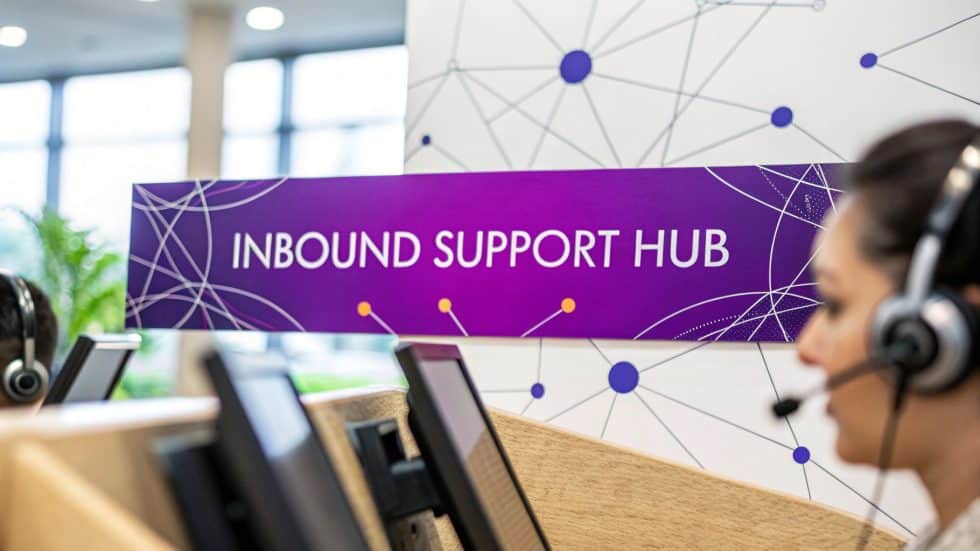
In today’s fast-paced, customer-centric world, inbound call handling plays a crucial role in shaping a company’s reputation. Every incoming call is more than just a query—it’s an opportunity to build trust, resolve issues, and create a lasting impression. Businesses that master inbound call handling don’t just solve problems; they create exceptional customer experiences.
This guide will walk you through everything you need to know to handle inbound calls efficiently and professionally.
What Is Inbound Call Handling?
Inbound call handling refers to the process of managing incoming customer calls. These calls may involve inquiries, support requests, complaints, or even sales opportunities. The goal is simple: provide accurate, timely, and helpful responses while ensuring a positive customer experience.
Why Efficient Inbound Call Handling Matters
Efficient call handling can significantly impact your business in several ways:
- Customer Satisfaction: Quick and helpful responses lead to happier customers.
- Brand Image: Professional interactions build trust and credibility.
- Customer Retention: Positive experiences encourage repeat business.
- Operational Efficiency: Streamlined processes reduce wait times and improve productivity.
Key Elements of Effective Inbound Call Handling
1. Prompt Response
Customers value their time. Answering calls quickly reduces frustration and sets a positive tone for the conversation.
2. Active Listening
Listening carefully helps you understand the customer’s needs without making assumptions. Avoid interrupting and acknowledge their concerns.
3. Clear Communication
Use simple, concise language. Avoid jargon and ensure your message is easy to understand.
4. Empathy and Professionalism
Show genuine concern for the customer’s issue. A calm, respectful tone can turn even negative situations into positive outcomes.
5. Problem-Solving Skills
Focus on resolving the issue efficiently. Offer solutions, not excuses.
Best Practices for Efficient Inbound Call Handling
1. Create a Standard Call Flow
Having a structured approach ensures consistency. A typical call flow includes:
- Greeting
- Identifying the issue
- Providing a solution
- Confirming resolution
- Closing the call
2. Train Your Team Regularly
Well-trained agents handle calls more confidently and effectively. Continuous training improves communication, product knowledge, and problem-solving skills.
3. Minimize Hold Time
Long wait times frustrate customers. If a hold is necessary, inform the caller and check back periodically.
4. Use CRM and Call Management Tools
Technology helps agents access customer information quickly, reducing handling time and improving accuracy.
5. Personalize the Interaction
Use the customer’s name and tailor your responses to their specific situation. Personalization enhances the overall experience.
6. Monitor and Improve Performance
Track key metrics such as:
- Average Handle Time (AHT)
- First Call Resolution (FCR)
- Customer Satisfaction (CSAT)
Use these insights to identify areas for improvement.
Common Challenges (and How to Overcome Them)
High Call Volume
Solution: Implement call routing systems and self-service options like IVR.
Difficult Customers
Solution: Stay calm, listen actively, and focus on solutions rather than emotions.
Lack of Information
Solution: Maintain updated knowledge bases and internal resources for quick reference.
The Role of Technology in Call Handling
Modern tools can greatly enhance inbound call handling efficiency:
- Interactive Voice Response (IVR): Directs calls to the right department.
- Call Analytics: Provides insights into performance and customer behavior.
- AI Assistants: Help agents with real-time suggestions and automation.
When used correctly, technology reduces workload and improves response quality.
Tips for Creating a Memorable Customer Experience
- Smile while speaking—it reflects in your tone.
- Avoid scripted responses; be natural and conversational.
- Always thank the customer for calling.
- End the call on a positive note.
Conclusion
Efficient inbound call handling is not just about answering calls—it’s about delivering value with every interaction. By combining strong communication skills, structured processes, and the right technology, businesses can transform ordinary calls into meaningful customer experiences.
Remember, every call is a chance to make a difference. Handle it with care, professionalism, and a commitment to excellence.
Comments