




Recovering from Liposuction Surgery in Riyadh
Recovery from liposuction in riyadh(شفط الدهون في الرياض) is a structured clinical journey that typically lasts between 4 to 6 weeks. While Riyadh's advanced clinics utilize minimally invasive techniques like VASER and Body-Jet to shorten downtime, the success of your transformation depends heavily on your post-operative discipline. In 2025, Riyadh’s leading aesthetic centers emphasize a "Rehabilitation Model" that combines medical-grade compression, specialized lymphatic care, and a lifestyle adapted to the region’s unique climate.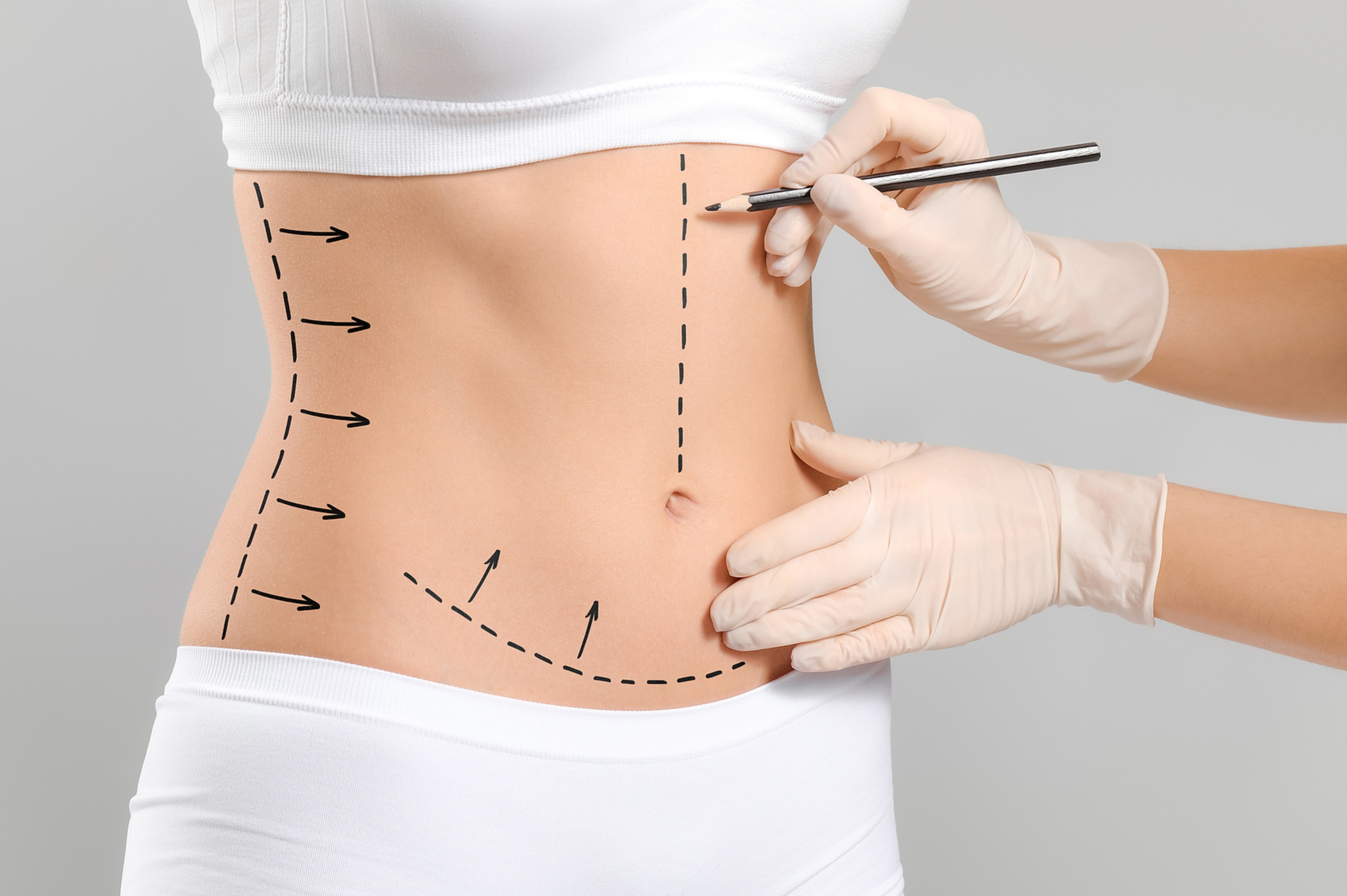
1. The Immediate Post-Op Timeline (First 72 Hours)
The first 3 days are the most challenging. You will experience peak swelling, bruising, and a sensation similar to intense muscle soreness.
- Rest & Activity: You are encouraged to walk gently for 2–5 minutes every 2 hours while awake to prevent blood clots. Avoid all strenuous activity and bed rest is only recommended for the first night.
- Hydration in Riyadh’s Climate: Dehydration is a risk post-surgery, especially in the dry heat. Surgeons recommend increasing water intake to 10–12 glasses (3 liters) daily to help flush out anesthesia and residual fluids.
- Medication: Take your prescribed pain relief and antibiotics exactly as directed. Avoid aspirin or NSAIDs like ibuprofen for the first 2 weeks (unless cleared) as they can increase bruising.
2. The Compression Phase (Weeks 1–6)
Your compression garment is the most critical tool for "molding" your new silhouette.
- 24/7 Wear: For the first 2 to 4 weeks, you must wear the garment continuously, removing it only for brief showers.
- Stage 1 vs. Stage 2: Many Riyadh clinics provide a "Stage 1" garment for the initial high-swelling phase and transition you to a tighter "Stage 2" garment after your 1-week follow-up.
- Hygiene: You can typically shower 24–48 hours after surgery. Pat your incisions dry and avoid soaking in bathtubs or pools for at least 2 weeks.
3. Specialized Post-Surgical Rehabilitation
A hallmark of recovery in Riyadh is the early integration of manual therapies to ensure smooth, lump-free results.
- Lymphatic Drainage Massage (MLD): Leading specialists, such as those at Dr. Omar Fouda’s clinic or Royal Clinic, recommend starting MLD about 1 week after surgery. This gentle technique can reduce post-surgical swelling by up to 40% and prevent "fibrosis" (internal scarring).
- Required Frequency: Typically 2–3 sessions per week for the first 3 weeks.
- Cost in Riyadh: Expect to pay between SAR 400 and SAR 800 per session for professional post-surgical drainage.
4. Nutrition and Lifestyle Adjustments
What you eat directly impacts how fast your tissues repair themselves.
- Protein-Rich Diet: Focus on lean meats, eggs, and beans to aid tissue repair.
- Sodium Management: Avoid salty foods (processed snacks, heavy sauces), as excess sodium causes significant water retention and can visibly worsen swelling.
- No Smoking/Alcohol: Smoking must be avoided for at least 4 weeks after surgery as it severely restricts blood flow and can lead to skin necrosis or infection.
5. Returning to Normalcy
MilestoneActivity Level3–5 DaysReturn to office-based work.7 DaysResume light cardio (slow walking).2 WeeksMost bruising fades; return to non-strenuous social life.4–6 WeeksResume high-intensity gym routines and lifting (with surgeon's approval).3–6 MonthsFinal contouring results are revealed.
⚠️ When to Contact Your Surgeon Immediately:
- Shortness of breath or persistent chest pain.
- Fever exceeding 39°C (102°F).
- Foul-smelling or greenish drainage from incision sites.
- Severe pain that is not relieved by your prescribed medication.
Comments