





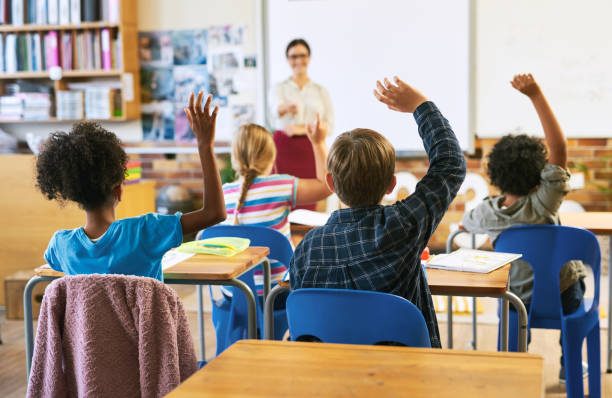
Early childhood education programs play a critical role in a child’s development during the most formative years of life. From birth through early elementary school, children experience rapid growth in cognitive, social, emotional, physical, and language skills. A high-quality early childhood education program provides a nurturing environment where young learners can explore, discover, and develop the skills they need for future academic success and personal well-being.
This article explores the purpose, structure, and key components of a strong early childhood education program, highlighting best practices that support young children and their families.
The Purpose of Early Childhood Education
Why Early Learning Matters
Early childhood is a period of extraordinary brain development. During these years, children form neural connections that influence how they learn, interact with others, and understand the world. Research consistently shows that high-quality early learning experiences have long-lasting positive effects on academic achievement, social skills, and emotional health.
Early childhood education programs are designed to support this development by providing age-appropriate learning experiences that promote curiosity, confidence, and a love of learning.
Educating the Whole Child
Effective early childhood programs focus on educating the whole child. This approach recognizes that learning is not limited to academic skills alone. Emotional security, social relationships, physical health, and creative expression are equally important.
By addressing all areas of development, early childhood programs help children build a strong foundation for success in school and in life.
Core Principles of an Effective Early Childhood Program
Developmentally Appropriate Practice
Developmentally appropriate practice is a guiding principle of early childhood education. This means that teaching strategies, learning activities, and expectations are aligned with children’s age, individual needs, and developmental stages.
Teachers observe children closely and adjust instruction to support growth while allowing each child to progress at their own pace.
Play-Based Learning
Play is central to early childhood education. Through play, children learn to solve problems, communicate ideas, regulate emotions, and collaborate with others. Play-based learning allows children to explore concepts in meaningful and engaging ways.
Rather than being separate from learning, play is the primary way young children make sense of their experiences and build understanding.
Curriculum and Learning Areas
Language and Literacy Development
Early childhood programs support language and literacy development through storytelling, conversations, songs, and exposure to books. Children are encouraged to express themselves verbally, listen to others, and develop early reading and writing skills.
Teachers create language-rich environments where children hear new vocabulary, ask questions, and develop a strong foundation for later literacy learning.
Early Mathematics and Problem Solving
Young children naturally explore mathematical concepts through everyday experiences. Early childhood programs introduce numbers, patterns, shapes, and measurement in hands-on ways.
Activities such as counting objects, sorting materials, and exploring spatial relationships help children develop early math skills and confidence in problem-solving.
Social and Emotional Learning
Social and emotional development is a cornerstone of early childhood education. Programs focus on helping children understand their emotions, build relationships, and develop self-regulation skills.
Children learn to take turns, share, resolve conflicts, and express feelings appropriately. These skills are essential for success in both school and life.
Physical Development and Health
Early childhood programs support physical development through movement, outdoor play, and fine motor activities. Gross motor skills are developed through running, climbing, and active play, while fine motor skills are strengthened through drawing, building, and hands-on tasks.
Programs also promote healthy habits by teaching children about nutrition, hygiene, and personal safety in age-appropriate ways.
Creative Expression and the Arts
Creative expression is an important part of early learning. Art, music, drama, and movement allow children to explore ideas, express emotions, and develop imagination.
Early childhood programs value the creative process rather than focusing on final products, encouraging children to experiment and take pride in their work.
The Learning Environment
Safe and Nurturing Spaces
A high-quality early childhood program provides a safe, welcoming, and nurturing environment where children feel secure and valued. Classrooms are designed to be inviting, organized, and accessible, allowing children to explore independently while feeling supported.
Consistency in routines and expectations helps children feel confident and comfortable in their learning environment.
Learning Centers and Materials
Classrooms often include learning centers that support different areas of development, such as reading corners, building areas, art stations, and dramatic play spaces. Materials are carefully selected to be age-appropriate, open-ended, and engaging.
These environments encourage exploration, creativity, and independent learning.
The Role of Educators
Skilled and Caring Teachers
Teachers are at the heart of early childhood education. Effective educators combine professional knowledge with warmth, patience, and responsiveness. They build strong relationships with children and serve as guides, facilitators, and role models.
Early childhood teachers observe children closely, ask thoughtful questions, and provide support that extends learning without taking over the child’s experience.
Ongoing Professional Development
High-quality programs invest in ongoing professional development for educators. Continuous learning helps teachers stay informed about best practices, child development research, and innovative teaching strategies.
Professional growth ensures that programs maintain high standards and respond effectively to the changing needs of children and families.
Family Engagement and Partnerships
Supporting Families as Partners
Families play a vital role in children’s early learning. Early childhood programs seek to build strong partnerships with families based on trust, communication, and mutual respect.
Teachers and administrators keep families informed about their child’s progress and provide opportunities for involvement in school activities and decision-making.
Communication and Collaboration
Regular communication helps align home and school experiences. Conferences, newsletters, and informal conversations allow families and educators to share insights and support children’s development together.
This collaboration strengthens the learning experience and reinforces consistency for children.
Inclusion and Diversity
Respecting Individual Differences
Effective early childhood programs recognize and celebrate each child’s unique background, abilities, and experiences. Inclusive practices ensure that all children feel valued and supported, including those with diverse cultural backgrounds or learning needs.
Teachers adapt instruction and environments to meet individual needs while promoting a sense of belonging for every child.
Building Cultural Awareness
Early childhood education provides opportunities for children to learn about diversity in age-appropriate ways. Books, activities, and classroom discussions help children appreciate similarities and differences among people.
This early exposure fosters empathy, respect, and openness toward others.
Assessment and Observation
Purposeful Observation
Assessment in early childhood education is primarily based on observation. Teachers watch how children play, interact, and solve problems to understand their development and learning progress.
These observations guide instructional decisions and help educators provide meaningful support.
Supporting Growth, Not Comparison
Early childhood assessment focuses on growth rather than comparison. Children are not expected to meet the same milestones at the same time. Instead, progress is measured relative to each child’s development.
This approach promotes confidence and a positive attitude toward learning.
Preparing Children for the Transition to School
Building Readiness Skills
Early childhood programs help children develop the skills needed for a successful transition to elementary school. These include listening, following routines, cooperating with peers, and developing independence.
Academic readiness is balanced with social and emotional preparedness.
Encouraging Confidence and Curiosity
A successful early childhood program nurtures children’s confidence and curiosity. Children who feel capable and excited about learning are more likely to approach new challenges with enthusiasm.
These qualities support long-term success in school and beyond.
Conclusion
Early childhood education programs provide essential foundations for children’s lifelong learning and development. By focusing on the whole child, supporting families, and creating nurturing learning environments, these programs help young learners grow academically, socially, emotionally, and physically.
Through play-based learning, skilled educators, and strong partnerships with families, early childhood education programs foster curiosity, resilience, and a love of learning that will guide children throughout their educational journey and into adulthood.
Comments