





Spray Foam Roofing Insulation provides both insulation and a seamless protective layer in one system, while coatings and membrane systems mainly protect the roof surface. For building owners seeking energy savings and air sealing, spray foam often delivers more value. For those focused only on waterproofing, coatings or membranes may be enough.
Each system serves a different purpose. This guide explains how they compare in cost, performance, lifespan, and climate fit. The information reflects field experience from professionals who provide Spray Foam Roofing Insulation services across commercial and residential properties.

How Each Roofing System Works
Understanding basic function helps clarify the differences. Although all three systems protect the building, they do so in distinct ways. Their structure affects insulation value, maintenance needs, and long term results.
Spray Foam Roofing Systems
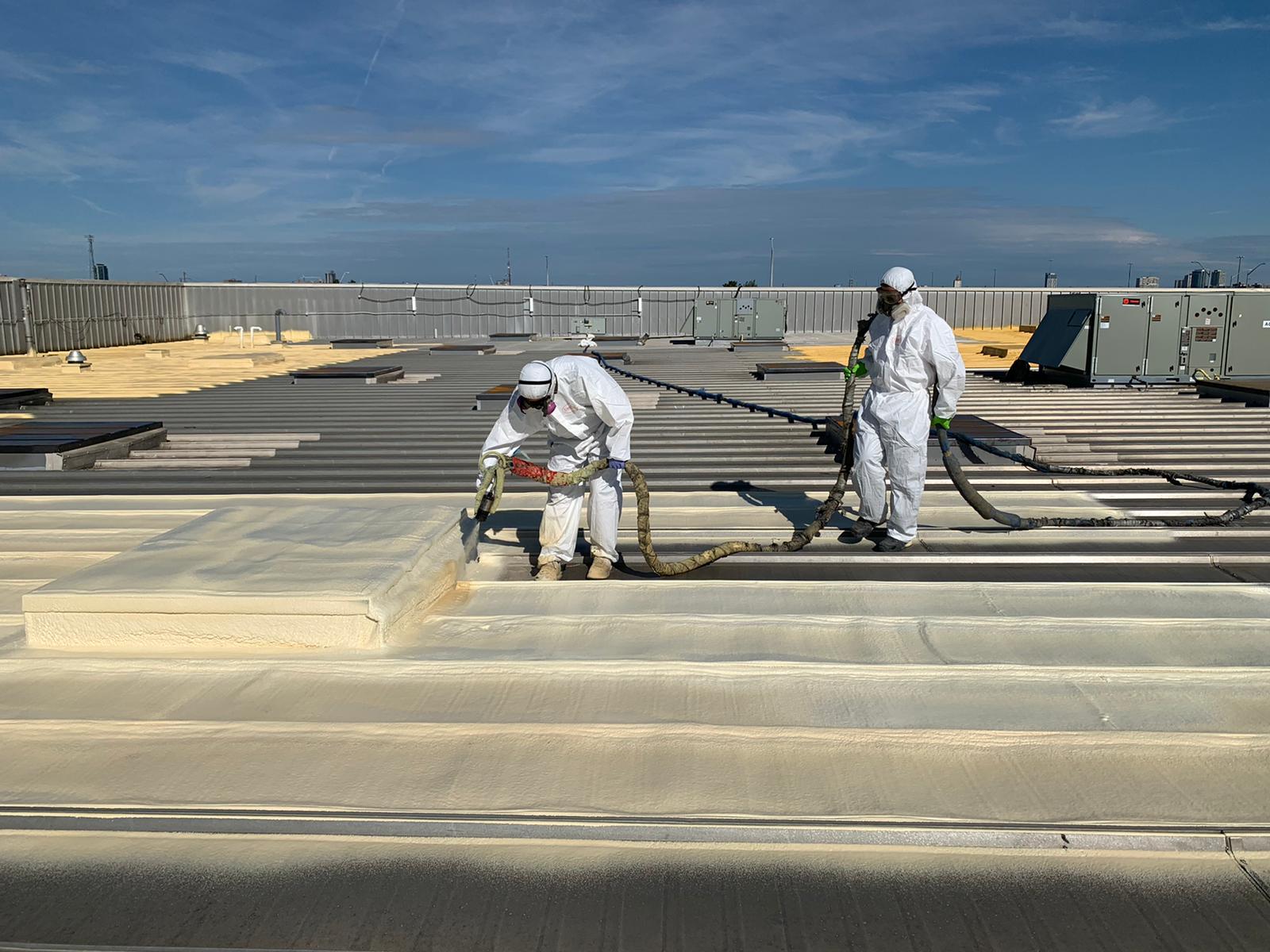
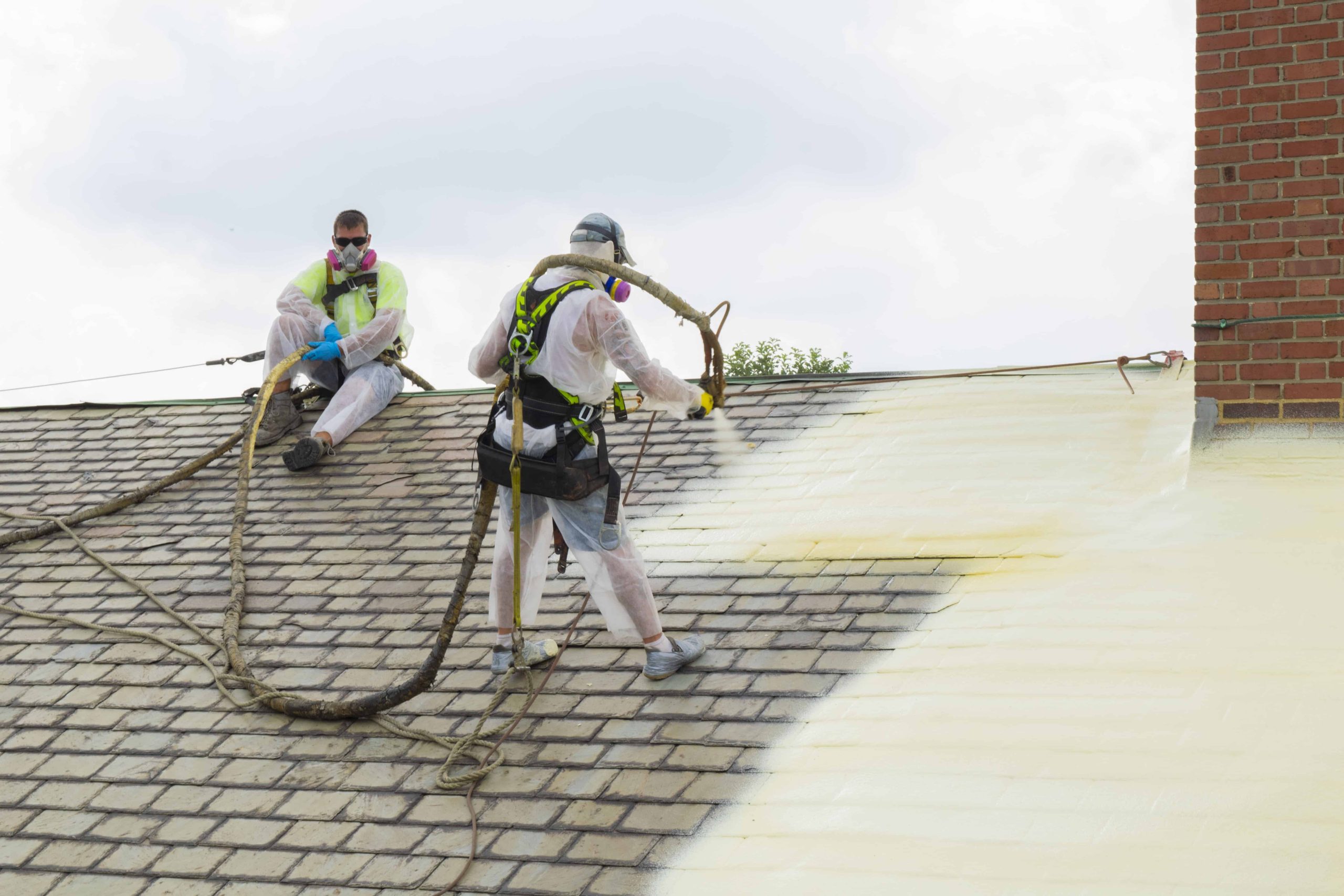
Spray foam is applied as a liquid that expands into a rigid layer. It adheres directly to the existing roof surface. After curing, a protective coating is added on top.
Built In Insulation Value
Unlike coatings or membranes, foam adds R value. Closed cell spray foam provides about R 6 to R 7 per inch.
This means the roof becomes both a barrier and an insulating layer.
Roof Coating Systems
Coatings are liquid applied products installed over an existing roof. They are designed to seal minor cracks and protect against UV exposure. They do not add meaningful insulation.
Surface Protection Focus
Coatings extend roof life and reduce surface wear. They reflect sunlight, which can lower rooftop temperatures.
Membrane Roofing Systems
Membranes such as TPO, PVC, and EPDM are sheet materials. They are rolled out and fastened or adhered to the roof deck. Some include insulation boards underneath.
Separate Insulation Layer
In most membrane systems, insulation boards are installed first. The membrane then acts as a waterproof layer on top.
Performance Comparison at a Glance
The table below outlines key differences in performance and function. These points often guide building owners during evaluation. Energy goals and climate conditions strongly influence the choice.

Industry reports show that buildings using spray foam roofing can reduce heating and cooling costs by 15 to 30 percent, depending on climate and roof condition. Reflective coatings may lower surface temperatures by up to 50 degrees in hot regions, yet they do not improve insulation value.
Energy Efficiency and Climate Impact
Climate plays a major role in system performance. Hot regions and cold regions have different priorities. Energy use trends also affect long term savings.
Hot Desert Climates
In areas with intense sun exposure:
- Spray foam reduces heat transfer into the building.
- Reflective coatings help reduce rooftop temperatures.
- Membranes with light colors reflect solar radiation.
Foam systems often perform well because they both insulate and seal air leaks.
Cold and Mixed Climates
In colder regions:
- Insulation value becomes more important.
- Air sealing reduces heat loss.
- Membrane systems require thicker insulation boards to match foam performance.
According to industry data, air leakage through roofs can account for up to 25 percent of heat loss in some commercial buildings. Foam systems address this by forming a continuous layer.
Bonus Tips
Inspect Drainage Before Installation
Proper slope and drainage matter for all systems. A qualified Spray Foam Roofing Insulation Contractor will evaluate ponding areas before recommending a solution.
Installation and Maintenance Differences
Installation time and disruption vary by system. Understanding this helps building owners plan around occupancy needs. Maintenance also differs over the roof’s life.
Spray Foam Roofing Insulation
Foam can often be applied over an existing roof. This reduces tear off costs and landfill waste. Recoat cycles every 10 to 15 years extend its lifespan.
Building industry data shows that spray foam roofing can reduce roof tear off waste by thousands of pounds on large commercial projects.
Coating Systems
Coatings require a clean and stable base. They are less invasive but depend heavily on surface condition. Reapplication is needed to maintain protection.
Membrane Systems
Membrane installation may require removal of the old roof. Seams must be heat welded or adhered. Routine inspections focus on seam integrity.
Bonus Tips
Plan for Long Term Access
Roof systems need inspection access. Spray Foam Roofing Insulation experts often recommend regular visual checks after major storms.
Things to Consider Before Making a Decision
Selecting a roofing system involves more than upfront cost. Each building has unique structural and energy needs. Pre decision evaluation helps avoid future problems.
Current Roof Condition
If the existing roof is saturated or structurally weak, full replacement may be required before applying foam or coating.
Energy Goals
Buildings aiming to reduce utility costs often benefit more from insulation based systems.
Budget and Return
Spray foam may cost more initially than coatings. Energy savings and reduced tear off costs can offset that over time.
Local Climate
Hot regions may benefit from reflective surfaces. Cold regions require higher insulation value.
Long Term Ownership Plans
Owners planning to hold property long term may prioritize durability and efficiency over short term savings.
Working with a knowledgeable Spray Foam Roofing Insulation Company helps ensure the system matches both structural needs and financial goals.
Questions People Ask About Spray Foam Roofing Insulation
Is spray foam roofing better than a membrane roof
It depends on the goal. Foam provides insulation and air sealing in one layer. Membranes focus mainly on waterproofing.
Can spray foam be installed over an existing roof
In many cases, yes. The existing roof must be dry and structurally sound.
How long does spray foam roofing last
With proper recoating, it can last over 20 years.
Does spray foam roofing leak
When installed correctly, it forms a seamless surface. Regular inspection keeps it performing well.
Is coating alone enough for energy savings
Coatings reflect heat but do not add insulation. Energy savings are usually lower compared to foam systems.
Final Thoughts on Roofing System Selection
Spray foam, coatings, and membranes each serve specific needs. Spray foam stands out for combined insulation and waterproofing. Coatings extend roof life with minimal added weight. Membranes provide durable surface protection when paired with insulation boards.
Building owners should evaluate roof condition, climate, budget, and long term plans before deciding. Matching the system to building goals leads to better performance over time.
Speak With a Local Roofing Professional
Property owners who want guidance on roof upgrades can contact Supreme Spray Foam LV for evaluation of current roof systems and insulation options. They review structural conditions, energy use patterns, and climate exposure before recommending next steps.
They can be reached at (702) 904-9895 or [email protected]. Speaking with experienced professionals helps ensure the selected roofing system aligns with long term building performance goals.
Reviewer: Michael Carter reviewed this article using insight gained over 12 years in the spray foam business. His feedback focused on helping contractors reach new customers without overcomplicating their message.
Comments