





Modern microbial restoration is a highly specialized, science-based service that goes far beyond simply cleaning up visible mold. It is a comprehensive process designed to identify the source of contamination, contain the affected area to prevent cross-contamination, physically remove the mold and bacteria, and verify that the indoor environment has been returned to a safe and healthy state. Unlike old-fashioned methods that focused on surface cleaning, modern services use advanced technology and strict protocols to ensure the problem is eliminated at its root, protecting both the health of the occupants and the structure of the building.
For any property owner facing a mold issue, understanding this modern approach is key to finding a permanent solution. This guide, drawing from extensive industry expertise, will break down the technology, processes, and standards that define professional microbial restoration today.
What "Microbial Contamination" Really Means
While "mold" is the word most people use, "microbial contamination" is a more accurate term. It refers to a wide range of microorganisms, including various types of fungi (mold) and bacteria, that can grow in an indoor environment. The one thing all of these organisms need to thrive is moisture. This moisture can come from many sources: a sudden pipe burst, a slow leak inside a wall, high humidity from poor ventilation, or condensation.
Once these microbes have a source of moisture and a food source (like drywall paper, wood, or even dust), they can begin to multiply. As they grow, they can damage the materials they are living on, leading to structural decay. At the same time, they release microscopic spores and gases into the air, which can degrade indoor air quality. It's estimated that a significant percentage of homes have experienced some form of water damage, creating numerous potential sites for this hidden microbial growth.
The Modern Restoration Process A Step-by-Step Approach
A professional microbial restoration project is not a simple cleanup job. It follows a controlled, multi-phase process based on standards set by organizations like the Institute of Inspection, Cleaning and Restoration Certification (IICRC).
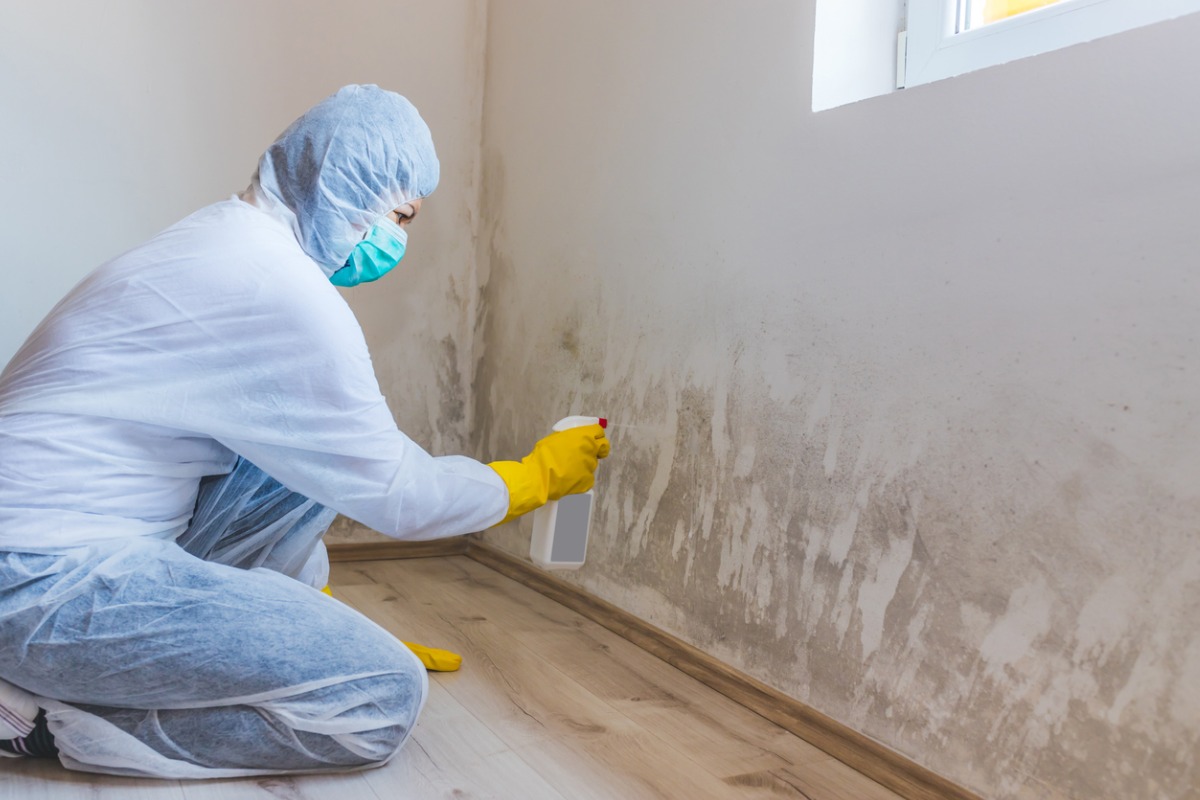
Phase 1 Investigation and Scope Development
Before any work begins, a thorough assessment is conducted. Modern professionals use more than just their eyes. They use tools like:
- Moisture Meters: To detect the moisture content in materials like drywall and wood, identifying the full extent of the water problem.
- Thermal Imaging Cameras: To find temperature differences in walls that can indicate hidden moisture or wet insulation. The goal is to create a detailed "map" of the contamination and a precise scope of work for the remediation.
Phase 2 Containment and Air Filtration
This is a critical step that separates professionals from amateurs. To prevent spores from spreading to unaffected areas of the property, the work area is put under containment. This involves:
- Setting up Plastic Barriers: Heavy-duty plastic sheeting is used to seal off the contaminated area from the rest of the building.
- Creating Negative Air Pressure: A special machine called a negative air machine or air scrubber is vented to the outside. This machine, fitted with HEPA filters, pulls air out of the contained area, ensuring that any disturbed spores are captured rather than escaping.
Phase 3 Controlled Removal and Cleaning
With containment in place, the physical removal process begins. The approach depends on the material.
- Porous Materials: Items that are heavily contaminated and porous, like drywall, insulation, and carpet, are carefully cut out, bagged, and disposed of according to local regulations.
- Non-Porous and Semi-Porous Materials: Materials like wood framing, concrete, or metal can often be cleaned. Technicians use methods like wire brushing, sanding, and wiping with specialized antimicrobial agents. The entire contained area is then meticulously vacuumed with HEPA-filtered vacuums to capture any remaining microscopic particles.
Bonus Tip: A property owner should never attempt to remove moldy drywall or other materials themselves. Without proper containment and personal protective equipment, this action can release a massive amount of spores into the air, turning a localized issue into a whole-house problem.
Old Methods vs Modern Standards
The evolution of microbial restoration has been significant, moving from simple cosmetic fixes to a health-focused, scientific process.

Things to Consider Before Hiring a Microbial Restoration Service
Choosing the right company is the single most important factor in a successful outcome. Here are some key things to look for.

- Proper Certifications: The company's technicians should be certified by the IICRC. The gold standard for this specific work is the Applied Microbial Remediation Technician (AMRT) certification.
- A Detailed, Written Plan: A professional company will provide you with a clear and detailed scope of work before they begin. This should outline their containment, removal, and cleaning procedures.
- Emphasis on Independent Verification: A company that is confident in its work will recommend (or even require) post-remediation testing by an independent industrial hygienist. This provides unbiased proof that the job was done correctly and is a sign of a high-quality firm.
- Understanding of Local Conditions: In regions with persistent dampness, like the Pacific Northwest, mold growth in crawl spaces and attics is a common issue. A local company will be familiar with these specific challenges and the best ways to address them.
Bonus Tip: Be very cautious of any company that offers to do both the mold testing and the remediation. This is a significant conflict of interest. The testing and verification should always be done by a separate, unbiased company.
Questions People Ask About Microbial Restoration
How do I know for sure that all the mold is gone?
The only way to know for sure is through post-remediation verification testing. An independent professional will take air and surface samples and send them to a lab. The lab report will confirm whether the area has been returned to a normal fungal ecology.
What is a HEPA filter and why is it so important?
HEPA stands for High-Efficiency Particulate Air. It's a type of air filter that is certified to capture 99.97% of particles as small as 0.3 microns. Mold spores are typically 1 to 20 microns in size, so HEPA filters are extremely effective at capturing them from the air.
Is it safe to stay in my property during the restoration process?
Generally, no. For safety reasons and to ensure the integrity of the containment, occupants and pets should not be in the home or the section of the building where the work is being performed.
Does my insurance policy cover the cost of microbial restoration?
This depends entirely on your policy and the cause of the mold. If the mold is the result of a covered event, like a sudden pipe burst, then the restoration is often covered. If it's from a long-term maintenance issue, it is usually not.
Can't you just spray something on the mold to kill it?
No. The industry standard of care requires the physical removal of the mold. Simply spraying a chemical on it (a practice sometimes called "fogging") does not remove the mold colony or the allergens and toxins it may contain.
The Modern Standard for a Healthy Property
Modern microbial restoration is a precise and technical field dedicated to solving contamination problems completely. It is not a cosmetic fix. By focusing on identifying the source, containing the problem, physically removing the contaminants, and verifying the results, these services provide the only reliable path to a safe, healthy, and structurally sound indoor environment.
Getting a Professional Microbial Assessment
If you suspect you have a mold or microbial issue in your property, the first step is a professional assessment from a certified and experienced company. They can determine the extent of the problem and provide a clear plan for resolving it safely and effectively. For homeowners seeking this level of expertise, teams like Prestige NW Restoration are trained in modern microbial restoration protocols. They can be reached for a consultation by calling (360) 334-3624 or by emailing [email protected].
Reviewer: Matthew Moore brings over 15 years of experience in residential renovation marketing. The review provided helped shape this content to better connect with homeowners seeking reliable, high-quality restoration and home improvement services.
Comments