





For EMS students, a stethoscope is far more than a piece of equipment, it is the primary instrument that transforms subtle physiological clues into life-saving decisions. From the controlled environment of skills labs to the chaos of emergency scenes, it is the tool you will use on every patient and every call.
Choosing the right stethoscope model at the outset directly influences how quickly you develop accurate auscultation skills and how well prepared you are for clinical rotations. Among the many options available at MedTechKits, two Littmann models have earned unparalleled trust in prehospital education and professional practice: the lightweight II and the classic III.
Both deliver the acoustic clarity and durability that educators and medical directors demand, yet each is purposefully designed for different stages of training and clinical responsibility. This guide provides a clear, side-by-side comparison of these two cornerstone stethoscopes, so you can select the instrument that best matches your current curriculum, patient population, budget, and career trajectory.
The Definitive EMS Student Decision Guide
To help you select the stethoscope that best aligns with your current training demands and future clinical responsibilities, the following guidance reflects the key decision points most frequently used by EMS educators, preceptors, and program directors.
Choose the lightweight II if you are in the early stages of EMT coursework with primarily adult-focused clinical exposure, your assessments center on routine vital signs, basic lung and heart sounds, and blood pressure measurements, and you prioritize absolute minimal weight for extended shifts or ride-alongs.
Select the classic III if you are progressing toward mid-to-advanced EMT certification, preparing for paramedic training, or pursuing concurrent pathways in nursing or medical school. It is the preferred choice when your patient population includes both adults and children, when you need to perform detailed auscultation and when superior acoustic sensitivity is essential.
Although slightly heavier than the lightweight II, the classic III has enhanced performance and true adult-to-pediatric versatility. In practice, the majority of EMS faculty and field preceptors recommend the classic III for any student who anticipates pediatric rotations or a long-term career involving critical care. For those whose scope will remain strictly adult and basic for the foreseeable future, the lightweight II remains a highly capable and comfortable starting point.
MedTechKits and Its Commitment to EMS Learners
EMS students often look for a reliable ems supply store to find equipment that supports their progress from the first day of training. MedTechKits was built around that need, offering tools that match the expectations of EMT and paramedic programs rather than generic medical supplies. The company’s purpose is to give learners a straightforward, confident path when selecting the gear that will carry them through skills labs, clinical rotations, and early field experience.
Stethoscopes are one of the areas where MedTechKits takes particular care, offering models that are already trusted in classrooms, labs, and field internships. By providing Littmann options like the lightweight II and the classic III, the company helps learners choose a scope that fits their coursework, patient exposure, and long-term goals. Alongside these, MedTechKits offers carefully selected essentials such as blood pressure cuffs, trauma shears, and assessment tools that hold up to long shifts and repeated practice.
The mission of MedTechKits is to guide students through their early clinical journey with gear that feels supportive rather than confusing. Many learners enter EMS programs unsure which tools meet program expectations, and the platform aims to remove that uncertainty by curating equipment that educators already rely on. By offering practical tools, clear comparisons, and a focus on student success, MedTechKits helps future providers build confidence from the first day of training all the way into their initial experiences in patient care.
Littmann Lightweight II S.E. Stethoscope
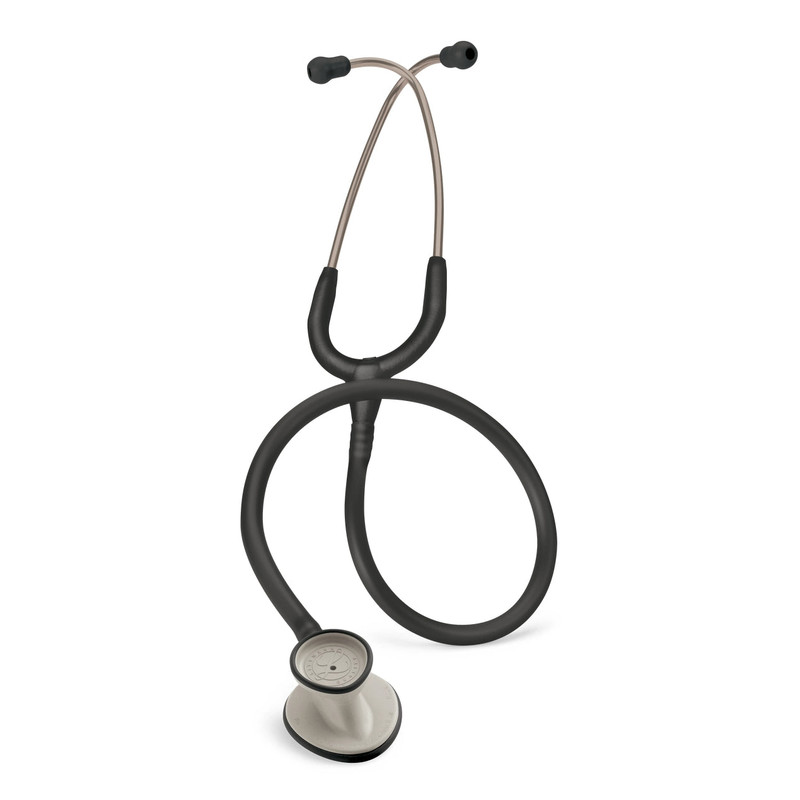
Designed to support students as they begin their clinical journey, the littmann lightweight ii se is an entry-level stethoscope available through MedTechKits that offers a balance of simplicity and dependable performance. The stethoscope features a tunable diaphragm and a dual-sided chest piece that help beginners develop confidence in identifying basic heart and lung sounds in adult patients.
Its teardrop-shaped chestpiece fits easily around cuffs or bandages during blood pressure checks, creating a smooth, uninterrupted workflow during training. Weighing in as the lightest adult stethoscope in the Littmann lineup, this model prioritizes comfort without compromising on quality, making it ideal for long hours in skills labs or ride-alongs.
Performance Features
- Tunable diaphragm technology, light pressure captures low-frequency sounds; firm pressure reveals higher frequencies without removing or rotating the chest piece
- Teardrop chest piece design, optimally shaped for auscultation beneath blood-pressure cuffs and around bandages
- Snap-tight ear tips, anatomically angled headset with soft-sealing tips that create an excellent acoustic seal while remaining comfortable during extended wear
- Resilient tubing, maintains shape and flexibility even when tightly folded in a pocket; resists cracking and staining from alcohol wipes
- Latex-free construction, no natural rubber latex or phthalate plasticizers, ensuring safety for sensitive patients and clinicians
Lightweight Design Meets Demanding EMS Schedules
In everyday EMS training, the lightweight II excels during extended clinical shifts and ride-alongs, where its ultra-light design prevents neck strain and allows students to focus on learning rather than discomfort.
It's particularly effective for quick vital sign checks in adult patients, such as auscultating breath sounds in a moving ambulance or performing blood pressure assessments in tight spaces.
Professionals like EMT students, licensed vocational nurses, and certified nursing assistants rely on it for routine physical exams, appreciating the clear audio for detecting lung and heart abnormalities without unnecessary complexity.
This stethoscope integrates smoothly into daily workflows, supporting foundational skills development in prehospital settings and helping users maintain patient comfort with its non-chill components during repeated assessments.
Littmann Classic III Stethoscope
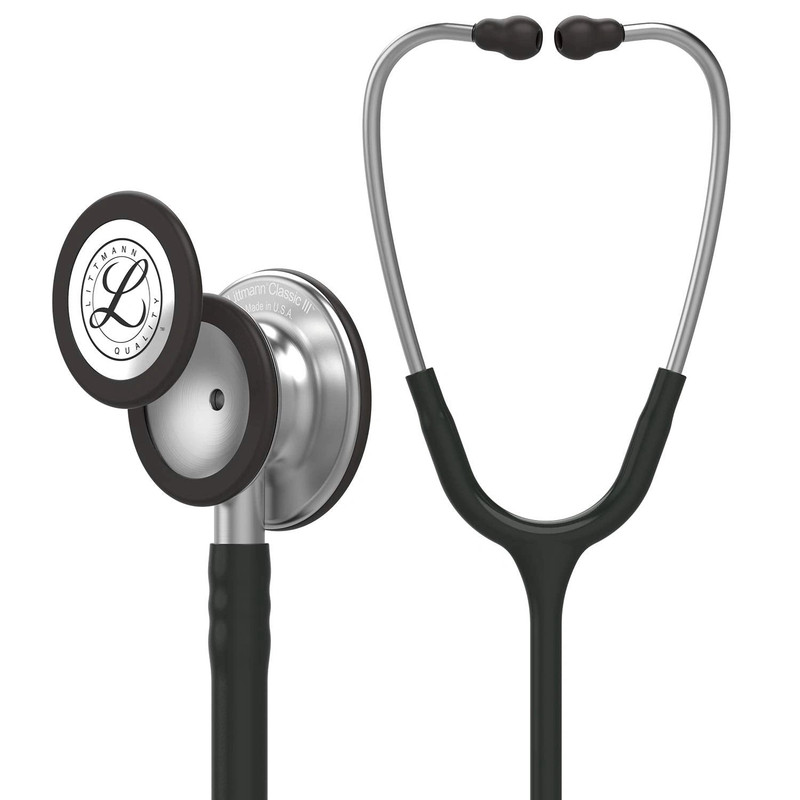
The natural upgrade when foundational skills are no longer enough, the littmann classic iii stethoscope from MedTechKits offers high acoustic sensitivity and true adult-to-pediatric versatility, making it the ideal instrument for students advancing through EMT and paramedic training.
Featuring superior acoustic sensitivity and a dual-sided chest piece with tunable diaphragms, it enables users to detect a wide range of normal and abnormal sounds, from subtle heart rhythms to lung irregularities, across diverse patient groups. This makes it a go-to choice for students progressing beyond basics, offering the adaptability needed for comprehensive monitoring in varied scenarios.
Functional strengths
- Superior acoustic sensitivity with tunable diaphragms on both adult (1.7 in / 4.3 cm) and pediatric (1.3 in / 3.3 cm) sides
- Dual-sided stainless steel chest piece enables seamless transition between adult and pediatric assessments without additional components
- Pediatric diaphragm converts to a traditional open bell via included non-chill sleeve
- Single-piece tunable diaphragms for simplified cleaning, attachment, and replacement
- Next-generation tubing provides extended durability and resistance to skin oils, alcohol, and staining
- Soft-sealing silicone ear tips deliver excellent acoustic seal and long-wearing comfort
Routine Applications in Clinical and Prehospital Settings
On a daily basis, the classic III proves indispensable in EMS environments, where its high acoustic performance allows students and professionals to confidently identify faint or abnormal rhythms during high-stakes calls, such as in noisy ambulances or crowded emergency scenes.
The dual-sided design shines in mixed-patient rotations, enabling seamless switches between adult and pediatric exams without additional tools, which saves time and reduces errors in dynamic situations.
Clinicians use it routinely for monitoring across age groups, from detecting wheezes in pediatric patients to assessing cardiac sounds in adults, making it a staple in clinical rotations and field internships.
Its robust tubing and easy-to-clean surfaces hold up to the rigors of 12-hour shifts, alcohol wipes, and frequent handling, ensuring reliable function that supports focused patient care and ongoing skill refinement in prehospital practice.
Core Stethoscope Considerations for EMS Students
When selecting a stethoscope, EMS students must balance immediate training needs with the demands of EMS practice. Acoustic performance tops the list: the ability to isolate faint breath sounds in a moving ambulance or detect distant heart tones through layers of clothing can mean the difference between an early intervention and a missed finding.
Equally important is weight and comfort, clinical shifts and ride-alongs often exceed 12 hours, and a scope that causes neck fatigue or digs into your collar quickly becomes a distraction rather than an asset. Finally, versatility matters; students who rotate through pediatric, geriatric, and critical-care settings need a chest piece that adapts without requiring adapters or separate instruments.
The patient population you expect to serve should guide the decision as well. Programs with a strong adult focus and limited pediatric exposure can often begin with a lightweight, single-sided design, while students in systems with frequent pediatric calls benefit from a dual-sided chest piece and stronger acoustics from the start.
Matching the supplies needed for emt class to both your current curriculum and your long-term goals ensures that your stethoscope supports steady clinical growth.
Ultimately, the right choice comes down to how you learn and the environments in which you will practice. A stethoscope that feels like an extension of your senses allows you to focus on patient assessment instead of fighting your equipment.
Closing Insights
The path to becoming a confident EMS professional begins with tools that help students listen with intention. The lightweight II and classic III each offer a clear advantage during training, and choosing the right one helps shape the way learners approach assessment. Both models give students a sense of stability that supports their growth from the first day of practice.
Understanding what each model brings to training allows students to select a tool that supports their habits rather than holding them back. Some learners want comfort as they move through long clinical days. Others prefer stronger acoustics that help them hear the details that matter in patient care. Both paths are valid, and both stethoscopes help students build steady skills they can trust throughout school and into their first calls.
As students continue shaping their approach to patient assessment, they benefit from choosing equipment that aligns with their goals. Littmann stethoscopes pair well with the broader training tools available through MedTechKits, creating a setup that encourages clarity, confidence, and growth. With the right tools in hand, every learner can step forward knowing they are building a foundation that will support them in every scenario ahead.
Frequently Asked Questions
Q1. What makes the Littmann Lightweight II S.E. a good choice for new EMS students?
The lightweight II S.E. is designed to be easy to use, giving new students a comfortable introduction to auscultation without unnecessary complexity. Its low weight helps reduce fatigue during long practice sessions and early clinical shifts. Many learners appreciate how consistently it performs during routine vitals, allowing them to focus on developing core assessment skills.
Q2. How does the Classic III differ from the Lightweight II S.E.?
The classic III offers clearer acoustic detail, making it easier for students to hear subtle variations in heart and lung sounds. Its dual-sided chest piece expands the range of patients and assessments a learner can manage. This enhanced versatility allows students to grow into more advanced responsibilities as their training progresses.
Q3. Do both stethoscopes have tunable diaphragms?
Yes, both models use tunable diaphragms that let students hear different frequencies simply by adjusting pressure. This feature supports smooth transitions between low and high sounds without changing parts or repositioning the chest piece. It also helps learners build better listening technique as they gain more clinical experience.
Q4. Which stethoscope is better for students who want to improve their auscultation skills?
The Classic III is better suited for students aiming to strengthen their ability to interpret fine acoustic details. Its performance allows learners to distinguish subtle findings that may not be as noticeable on entry-level models. Over time, this helps students refine their assessment accuracy and develop stronger clinical judgment.
Useful Resources for Students
1. Trusted Stethoscopes for Fast and Focused Care
Comments