




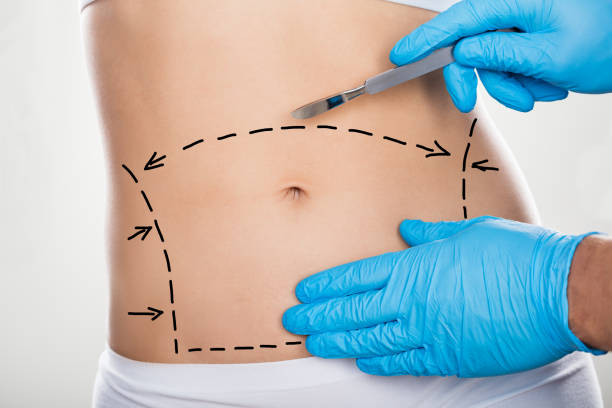
Liposuction is widely recognized as a body contouring procedure designed to reduce localized fat deposits and reshape specific areas of the body. It is often chosen by individuals who struggle with stubborn fat that does not respond to diet or physical activity. While many people associate it with long-term transformation, a common question remains whether the results are truly permanent. In discussions about body sculpting and modern aesthetic options such as Liposuction Abu Dhabi, it becomes important to understand how fat removal works and what long-term outcomes can realistically be expected.
Understanding How Liposuction Removes Fat
Liposuction works by physically removing fat cells from targeted areas of the body. These fat cells are extracted in a way that reduces their number in specific zones such as the abdomen, thighs, arms, or hips. Since adult fat cells do not regenerate once removed, the treated areas generally have a reduced capacity to store fat compared to before the procedure.
However, the body still retains fat cells in untreated areas. This means that while the treated regions undergo a structural change in fat distribution, the overall balance of the body can still be influenced by lifestyle factors. The key concept to understand is that liposuction alters fat cell quantity, not the body’s overall ability to store fat everywhere.
Is Fat Removal Through Liposuction Permanent?
The fat cells removed during liposuction do not grow back, which gives the procedure a long-lasting effect in the treated areas. In that sense, the reduction of fat in specific regions can be considered permanent. Once those cells are gone, they do not return, and the contour achieved in those areas tends to remain stable under consistent conditions.
However, permanence does not mean immunity to change. The body still contains fat cells in other areas, and those remaining cells can expand if overall body weight increases significantly. This means that while the sculpted shape can be long-lasting, it still depends on how the body is maintained over time.
How the Body Adapts After Fat Removal
After fat removal, the body naturally adapts to its new distribution of fat cells. The treated areas have fewer cells available to store excess energy, which is why they tend to remain slimmer compared to untreated regions. This creates a more balanced and contoured appearance that can be sustained for years.
At the same time, the body continues its normal metabolic processes. If there is a consistent surplus of energy intake, the remaining fat cells throughout the body may enlarge. This can subtly influence overall proportions, even though the original treatment areas still retain fewer fat cells than before.
The long-term appearance is therefore a combination of permanent structural change in treated areas and ongoing biological behavior in untreated areas.
Can Fat Return After Liposuction?
One of the most important considerations is whether fat can return after removal. The direct answer is that the exact fat cells removed do not come back. However, weight gain can still occur, and when it does, it is distributed among the remaining fat cells in the body.
If a stable body weight is maintained, the results of fat removal tend to remain consistent and visually noticeable. If weight fluctuates significantly, the body may store additional fat in untreated areas, which can alter overall proportions. This is why long-term results are closely linked to lifestyle stability rather than the procedure alone.
It is also worth noting that the body’s fat storage pattern may shift slightly after fat reduction. Some areas may appear more prominent than others if they retain a higher number of fat cells compared to treated regions.
Factors That Influence Long-Term Results
The longevity of fat removal results is influenced by several internal and external factors. The natural aging process plays a role in how the body distributes fat over time, as metabolism and fat storage patterns evolve gradually. Even though removed fat cells do not return, the body’s remaining cells can still respond to changes in energy balance.
Genetic factors also contribute to how and where the body stores fat. Some individuals naturally accumulate fat in specific regions, and this tendency can persist even after fat reduction in other areas.
Another important factor is overall body weight stability. When weight remains relatively consistent, the results of liposuction are more likely to appear stable and long-lasting. Sudden or repeated fluctuations in weight can influence the uniformity of body contours.
Maintaining a Stable Body Shape Over Time
Sustaining the results of fat removal largely depends on maintaining a balanced lifestyle. Since the procedure permanently reduces fat cells in targeted areas, the foundation of the new body shape is already established. The focus afterward is on preserving that foundation through consistency in daily habits.
The body naturally seeks equilibrium, and when energy intake and expenditure are balanced, fat distribution tends to remain steady. This allows the sculpted areas to retain their improved contour while preventing excessive expansion of remaining fat cells elsewhere.
Over time, individuals who maintain stability in body weight often experience lasting satisfaction with their results. The changes achieved through fat removal continue to reflect a more refined body outline, even as the body naturally ages.
Setting Realistic Expectations for Permanence
While fat removal provides long-term structural changes, it is not a replacement for overall body management. It is best understood as a reshaping process rather than a complete elimination of fat storage capacity. The treated areas become more resistant to fat accumulation, but the body as a whole continues to function dynamically.
Expectations should therefore be centered around enhancement rather than total permanence in every possible scenario. The most stable outcomes occur when the procedure is combined with consistent long-term habits that support overall balance.
The concept of permanence in this context refers specifically to the removal of fat cells in targeted areas, not a guarantee that the body will never change again. Natural biological processes continue throughout life, but the foundation created by fat removal remains an enduring structural improvement.
Conclusion
Liposuction offers a long-lasting reduction in fat cells in specific areas, making it an effective method for reshaping body contours. While the removed fat cells do not return, overall results depend on how the body is maintained afterward. The procedure creates a permanent change in fat distribution, but not a complete immunity to future weight changes. When understood correctly, it can be seen as a durable enhancement tool that reshapes proportions while still working in harmony with the body’s natural behavior.
FAQs
Is fat removal from liposuction permanent?
Yes, the fat cells that are removed do not regenerate, making the reduction in treated areas long-lasting. However, overall body changes can still occur depending on lifestyle and weight stability.
Can the treated areas become fat again?
The same fat cells do not return, but remaining fat cells in the body can expand if there is significant weight gain, which may affect overall proportions.
Does the body change shape over time after fat removal?
Yes, natural aging and metabolic changes can influence how the body stores fat, but the reduced fat cell count in treated areas remains consistent.
Is the result of fat removal completely unchangeable?
No, while the structural change is permanent, the overall appearance can still be influenced by body weight fluctuations and lifestyle habits.
What helps maintain long-lasting results after fat removal?
Maintaining a stable body weight and balanced lifestyle helps preserve the improved body contour over time and supports consistent long-term results.
Comments