




Applying for the O-1A visa can open doors to incredible opportunities in the United States for individuals with extraordinary ability in fields like science, business, athletics, and education. While the benefits are huge, the process can feel overwhelming without a clear roadmap. This step-by-step guide breaks down the entire O-1A application journey—from preparing your petition to finally getting your visa stamped—so you can navigate the process with confidence.
Understanding the O-1A Visa Framework
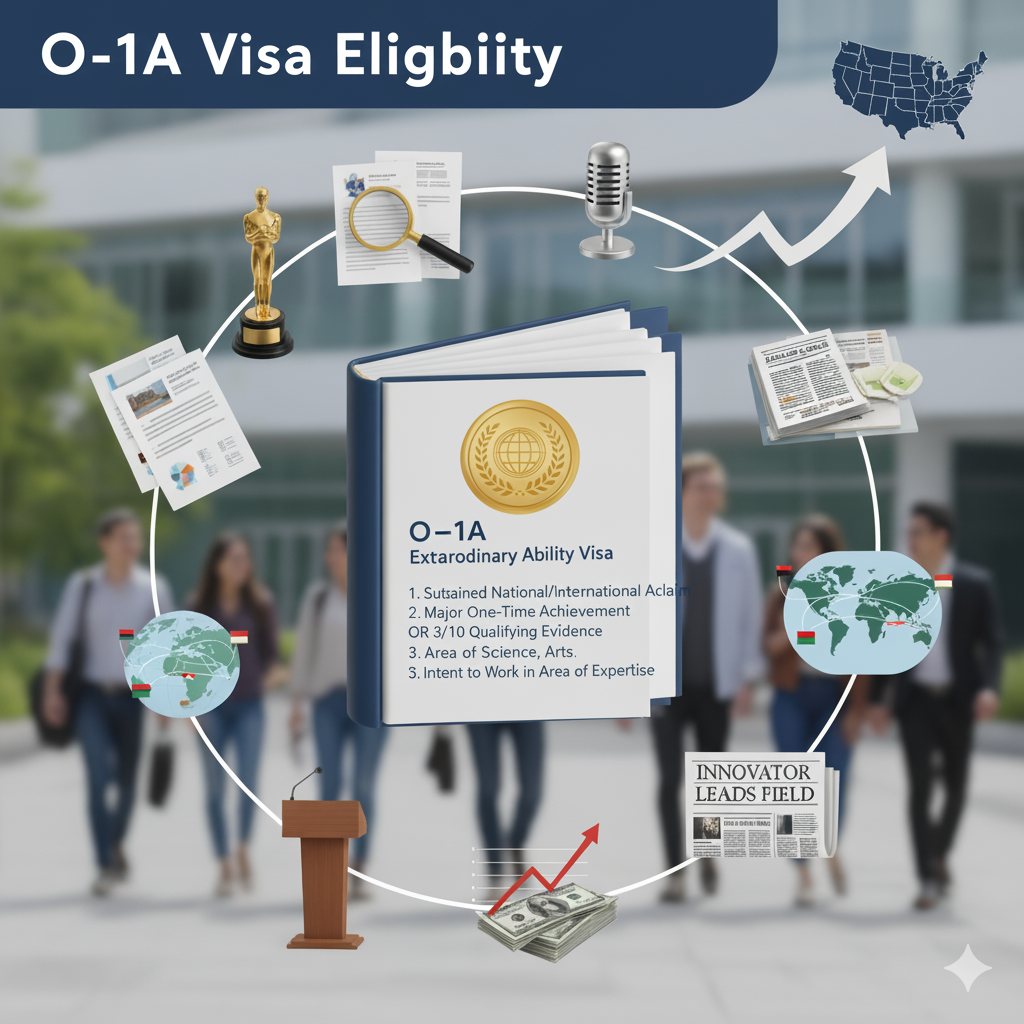
Before beginning the process, it’s essential to know what sets the O-1A visa apart. Unlike other work visas, the O-1A is designed specifically for top achievers who can demonstrate extraordinary ability through sustained national or international acclaim. This could include awards, publications, major contributions, prestigious roles, high salaries, and strong recognition from experts in your field.
In this stage, most applicants start reviewing the O1A Visa Requirements, which guide the type of evidence they must gather to support their case. Many also begin thinking long-term and explore how the o1 visa to green card pathway works so they can plan their immigration strategy from day one.
Step 1: Confirm Eligibility & Build a Strong Case
The first step involves confirming if you meet the O1A Visa Requirements. These criteria help you and your attorney assess whether your achievements qualify as “extraordinary ability.” At the same time, many professionals also evaluate how their profile aligns with the o1 visa to green card transition, as strong O-1A evidence can support future green card categories like EB1A.
To qualify, you must demonstrate exceptional accomplishments in your field. Evidence typically includes awards, high-impact publications, media coverage, speaking invitations, leadership roles, critical contributions, expert letters, and other achievements recognized as significant in your industry.
Step 2: Gather Supporting Documents
Once eligibility is confirmed, the next stage is document collection. This is where you assemble evidence proving your extraordinary ability. The documentation process often includes:
- Awards and recognitions
- Press and media articles
- Citation records
- Recommendation letters from industry experts
- Employment contracts or project agreements
- Proof of salary or remuneration above industry standards
- Articles or publications authored by you
- Evidence of judging or evaluating others’ work
Organizing your documents under clear categories aligned with O-1A criteria ensures your petition looks strong, credible, and easy for USCIS officers to review.
Step 3: File Form I-129 (The O-1A Petition)
After preparing your documents, your attorney will file Form I-129 with the USCIS. This petition includes all your evidence, your detailed case summary, employer information, and your work itinerary in the United States.
Along with the petition, a mandatory advisory opinion from a U.S.-based peer group or organization is required. This letter helps USCIS verify your achievements and evaluate your standing in your respective field.
Petition processing times vary, but applicants can use premium processing to receive faster decisions—usually within 15 calendar days.
Step 4: Wait for USCIS Decision
Once your petition is submitted, USCIS may:
- Approve your petition
- Request additional evidence (RFE)
- Deny the petition
If you receive an RFE, don’t panic. It’s common for extraordinary ability cases, and your attorney can help strengthen the petition with more evidence or clarification.
If approved, you will receive an I-797 Notice of Approval. This document allows you to move to the next big stage of the process: the visa application at a U.S. consulate.
Step 5: Complete the DS-160 Form
After petition approval, the next step is completing the DS-160 form—an online nonimmigrant visa application. This form collects detailed personal, professional, and travel-related information.
Once submitted, you must save the confirmation page because it will be required for your visa appointment.
Step 6: Schedule Your Visa Interview
With your DS-160 completed, schedule an appointment at your nearest U.S. embassy or consulate. During the interview, a visa officer will review your petition approval, ask questions about your achievements, and verify that you meet O-1A criteria.
Documents you should bring include:
- Passport
- I-797 Approval Notice
- DS-160 confirmation
- Appointment letter
- Passport-size photographs
- Supporting documents (optional but useful)
Most interviews are short, and decisions are often communicated quickly.
Step 7: Get Your O-1A Visa Stamp
Once approved, your passport will be stamped with the O-1A visa. This stamp allows you to enter the United States and begin working with your sponsoring employer.
Processing times for visa stamping can vary by embassy, but typically you will get your passport back within a few days to a couple of weeks.
Step 8: Enter the U.S. & Start Your Journey
Upon arrival in the U.S., a Customs and Border Protection (CBP) officer will review your documents. Once cleared, you will officially begin your O-1A journey.
This stage is also where many individuals start preparing for long-term goals, including transitioning from an O-1 visa to permanent residency through the EB1A or EB2 NIW pathways.
Final Thoughts
The O-1A visa is one of the most powerful U.S. work visas for top professionals, offering flexibility, fast processing, and direct pathways to future immigration benefits. By following the step-by-step process—starting from confirming eligibility and submitting your petition, all the way to securing your visa stamp—you can ensure a smooth and successful journey.
Comments