




Maximizing Graft Survival: Riyadh Protocols for a Successful Beard Transplant
The ultimate measure of a beard transplant in riyadh(زراعة شعر اللحية في الرياض) success is the graft survival rate—the percentage of transplanted hair follicles that successfully anchor, survive the initial shock, and grow permanently. Leading aesthetic centers in Riyadh, utilizing the advanced Follicular Unit Extraction (FUE) and Direct Hair Implantation (DHI) methods, adhere to stringent protocols designed to maximize this rate, ensuring the patient achieves maximum density and a lasting result.
Maximizing graft survival is a complex process managed across three distinct stages: Pre-Procedure Conditioning, Intra-Procedure Vigilance, and Post-Procedure Care.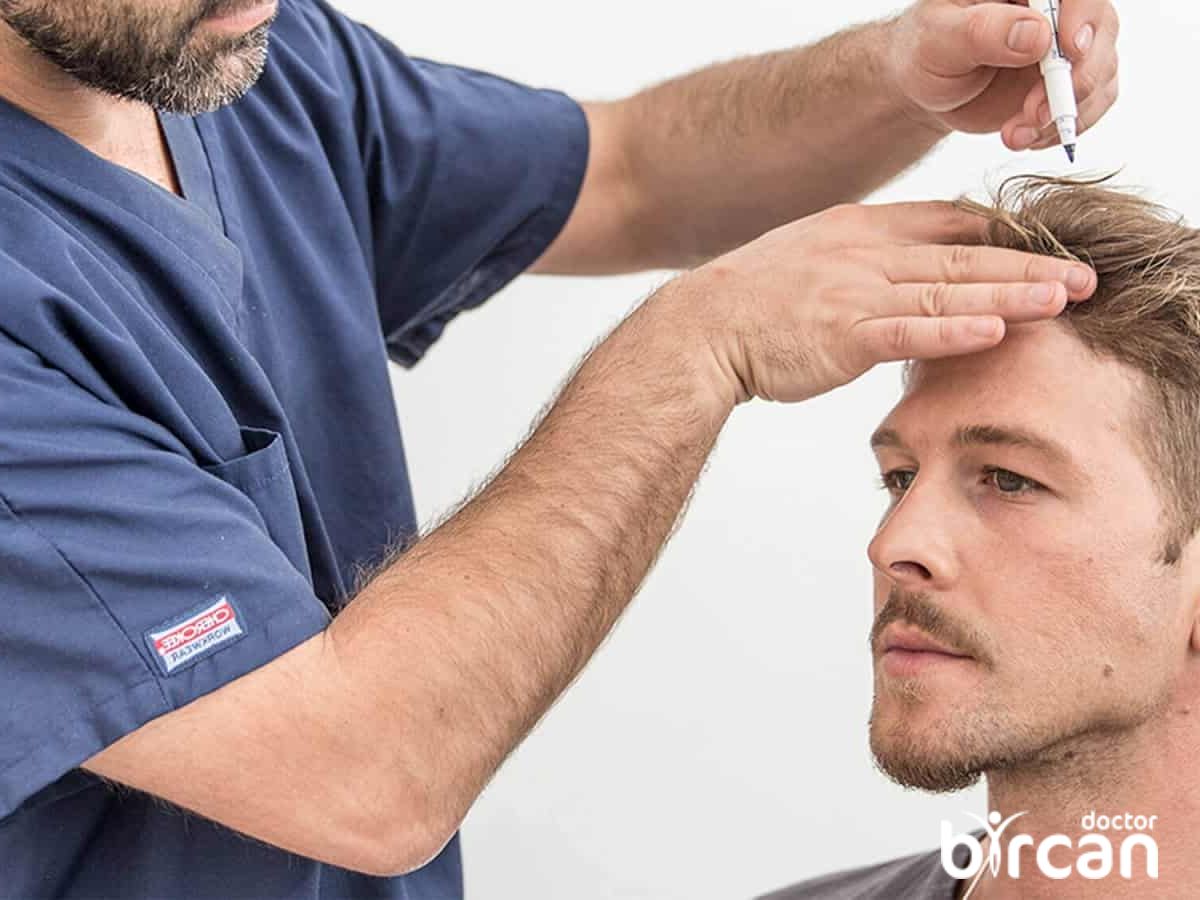
I. Pre-Procedure and Patient Conditioning
Preparation before the surgery is essential, focusing on optimizing the body's healing ability and the health of the donor follicles.
1. Donor Area Health Assessment
- Quality Over Quantity: The surgeon carefully assesses the density and overall health of the donor hair (typically the back of the scalp). Only healthy, resilient follicles are selected, as weak or miniaturized follicles have a lower survival chance.
- Avoid Overharvesting: Experienced Riyadh surgeons adhere to strict protocols to avoid overharvesting the donor area. Overharvesting can damage the overall donor blood supply and reduce the viability of subsequently extracted grafts.
2. Medication and Lifestyle Modification (Crucial)
- Avoid Blood Thinners: Patients must stop taking aspirin, ibuprofen, certain vitamins (like high-dose Vitamin E), and specific herbal supplements for at least 10–14 days before the procedure, as these can increase bleeding and compromise healing.
- Smoking Cessation (Mandatory): Smoking and nicotine consumption must be stopped completely for at least two weeks before and two weeks after the procedure. Nicotine is a potent vasoconstrictor, severely restricting blood flow and oxygen delivery to the newly implanted grafts, which directly lowers the survival rate.
- Alcohol Restriction: Alcohol must be avoided for at least three days pre-op, as it thins the blood and can interact negatively with prescribed medications.
II. Intra-Procedure Vigilance (The "Golden Window")
The time the graft spends outside the body—known as the ischemic period—is the most critical phase. Riyadh protocols focus on minimizing this time and protecting the grafts from environmental stress.
1. Advanced Storage Solutions (Preservation Media)
Grafts cannot simply be stored in a dry dish. They require specialized, chilled solutions to slow their metabolic rate and keep them viable.
- HypoThermosol and Enriched Media: The most advanced clinics utilize preservation solutions like HypoThermosol (HTS), which are far superior to basic saline. These solutions are fortified with pH buffers, antioxidants (free radical scavengers), and often ATP (cellular energy source).
- Temperature Control: Grafts are stored at hypothermic temperatures (typically $4^\circ\text{C}$ to $8^\circ\text{C}$), which dramatically reduces the follicle’s need for oxygen and nutrients during the ischemic period, extending the safe "out-of-body" time.
2. Minimizing Time and Trauma
- Extraction Speed and Technique: Using modern, sharp micro-punch tools ($0.7\text{mm}$ to $0.9\text{mm}$) and precise motorized devices, the surgeon ensures the extraction is quick and gentle, minimizing physical trauma to the follicle bulb (the crucial survival structure).
- Immediate Immersion: Grafts are immediately placed into the chilled preservation medium upon extraction, minimizing exposure to dehydrating room air.
- DHI Technique: The Direct Hair Implantation (DHI) method is preferred for facial hair, as it significantly reduces the ischemic period. With DHI, the surgeon extracts the graft and implants it directly into the recipient site using a specialized implanter pen, drastically reducing the time the graft spends outside the body and eliminating the step of pre-creating recipient site incisions.
3. Precision Implantation
Survival isn't just about placement; it's about the quality of the recipient site.
- Optimal Density: The surgeon must ensure grafts are placed at an optimal density. Placing them too close together (overpacking) can compromise the blood supply in the recipient area, leading to lower survival for all surrounding grafts.
- Correct Depth and Angle: Implantation must be at the correct depth. Grafts inserted too deeply risk being buried, and those too shallow may pop out (extrusion). The use of DHI allows for unparalleled control over depth, angle, and direction.
III. Post-Procedure Care (Anchoring the Results)
The two weeks following the procedure are critical for preventing external damage and allowing the grafts to establish a new blood supply (re-vascularization).
1. Protection from Physical Trauma
- No Touching/Scratching: For the first 5–7 days, the grafts are unanchored and can be easily dislodged. Patients are instructed to strictly avoid touching, rubbing, or scratching the area.
- Elevated Sleep: Sleeping with the head elevated for the first few nights prevents swelling from migrating down to the face and avoids accidental rubbing against pillows.
- Headwear: Only very loose, wide-fitting caps (if approved by the clinic) should be worn, and they must not touch the recipient area for the first 10–14 days.
2. Environmental and Healing Support
- Sun and Sweat Avoidance: The intense sun and heat in Riyadh pose a risk. Patients must avoid direct sun exposure and strenuous activity (which causes heavy sweating) for at least 10–14 days. Sweat and sun can irritate the healing sites and risk infection or graft displacement.
- Gentle Washing Protocol: The clinic provides a specialized washing protocol. This involves gently applying a foam or lotion to soften the scabs and then gently patting the area clean with water, usually starting 48–72 hours post-op. Vigorous rubbing or scrubbing is prohibited until the scabs have naturally fallen off around Day 10–14.
- Medication Adherence: Following the full course of prescribed antibiotics (to prevent infection) and anti-inflammatory agents (to minimize swelling that could compress the grafts) is non-negotiable for smooth healing.
3. Adjunctive Therapies
To further support the healing process and maximize the quality of the new growth, many Riyadh clinics recommend:
- PRP (Platelet-Rich Plasma) Therapy: Often performed immediately after the transplant or in the weeks following. Injecting the patient's own concentrated growth factors into the recipient area can help accelerate healing and boost the viability of the transplanted follicles.
- Continued Supplementation: Encouraging the patient to continue taking prescribed vitamins (Biotin, Zinc) and consuming a high-protein diet to provide the necessary building blocks for the new hair shafts.
By adhering to these rigorous pre-, intra-, and post-operative protocols, top beard surgeons in Riyadh consistently achieve optimal graft survival rates, translating directly into the dense, natural, and permanent beard the patient desires.
Comments