




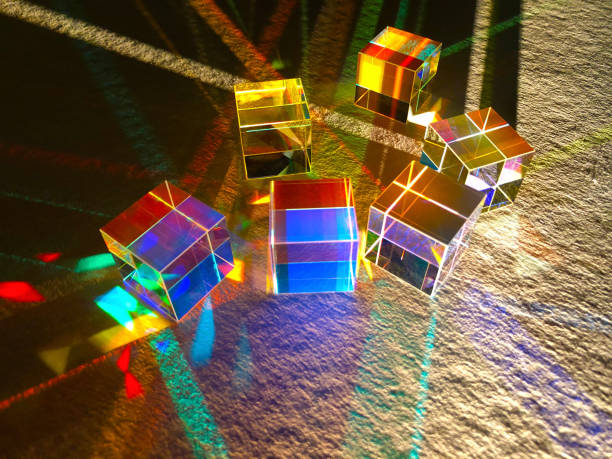
✨ Introduction to Dichroic Glass
Dichroic glass is one of the most fascinating and visually dynamic materials used in art, jewelry, and modern design. Known for its radiant color shifts and shimmering effects, this unique glass changes appearance depending on the angle of light and the viewer’s position. Whether it's used in jewelry or architectural installations, dichroic glass has an almost magical quality that continues to captivate creators and collectors.
This article explores what makes dichroic glass special, how it is produced, where it is used, and why it remains such a popular material for artistic and decorative applications.
🌈 What Is Dichroic Glass?
Dichroic glass is a type of glass that displays two or more colors when viewed from different angles. The term “dichroic” comes from the Greek words di (two) and chroma (color), accurately describing its ability to show multiple hues at once.
Unlike typical colored glass, dichroic glass gets its vibrant appearance not from pigments but from microscopic metallic layers that coat the surface. The result is an iridescent shine that feels luminous and three-dimensional.
🔬 How Dichroic Glass Is Made
Thin Film Technology
The creation of dichroic glass relies on a process known as thin film deposition. In this method, extremely thin layers of metallic oxides—such as titanium, chromium, or aluminum—are vaporized inside a vacuum chamber and fused onto the glass surface.
These layers measure only a few nanometers thick. By stacking dozens of these micro-layers, manufacturers create a coating that selectively reflects certain wavelengths of light while allowing others to pass through. This interaction between reflected and transmitted light is what produces the famous multicolor effect.
Roots in Space Technology
The unique coating technique used to produce dichroic glass was originally developed by NASA for use in spacecraft visors, sensors, and optical filters. Artists eventually adopted the technology for decorative glassmaking, giving rise to the modern artistic dichroic glass industry.
🌟 Types of Dichroic Effects
Reflective vs. Transmitted Colors
One of the most striking characteristics of dichroic glass is that it displays:
- Reflective colors (colors seen on the surface when light bounces off)
- Transmitted colors (colors visible when light passes through the glass)
This dual effect creates a holographic or three-dimensional appearance that feels alive and ever-changing.
Patterned Dichroic Glass
Dichroic coatings can be applied in various patterns, including:
- Ripple designs
- Geometric shapes
- Wavy textures
- Crinkled effects
Each pattern interacts differently with light, offering endless creative possibilities for artists and designers.
🎨 Common Uses of Dichroic Glass
Jewelry
One of the most popular uses of dichroic glass is handcrafted jewelry. It is commonly used in:
- Earrings
- Pendants
- Bracelets
- Rings
Its vibrant colors and reflective qualities make each jewelry piece unique. Since no two sheets of dichroic glass look identical, jewelry artists appreciate the individuality it brings to their work.
Art and Sculpture
Glass artists often incorporate dichroic elements into fused glass pieces, mosaics, stained glass windows, and freestanding sculptures. The shifting colors add visual depth and attract attention from every angle.
Architecture and Interior Design
Dichroic glass has become a favorite material for architects and interior designers. It is used in:
- Decorative wall panels
- Window installations
- Light fixtures
- Public art displays
When sunlight passes through it, the glass casts colorful reflections that change throughout the day, creating dynamic environments.
Fashion and Accessories
Its futuristic aesthetic makes dichroic glass a bold design choice for accessories such as belts, cufflinks, and decorative fashion elements.
💎 Why Artists Love Dichroic Glass
Unpredictable Beauty
Every piece of dichroic glass displays different visual effects depending on thickness, angle, and lighting. This unpredictability adds charm and uniqueness to each creation.
Long-Lasting and Durable
The metallic layers are fused permanently onto the glass, making them resistant to fading, heat, and wear. This durability allows the material to be used in high-temperature processes like kiln firing.
Versatility in Design
Dichroic glass can be combined with other materials, layered for depth, fused with metal, or used as accents. Its flexibility encourages experimentation and artistic expression.
🧪 Working With Dichroic Glass
Cutting and Shaping
Dichroic glass is cut similarly to traditional glass using scoring tools or saws. However, the metallic coating may require careful handling to prevent chipping.
Kiln-Firing Techniques
Many artists create fused glass pieces by layering dichroic glass between sheets of clear or colored glass. During firing, the layers melt together, enhancing the brilliance and depth of the final design.
Safety Tips
Working with glass always requires precautions:
- Wear safety glasses when cutting
- Handle sharp edges with protective gloves
- Ensure proper ventilation when kiln-firing
🌟 Final Thoughts
Dichroic glass is a stunning fusion of science and artistry. Its ability to shift colors and capture light makes it a favorite for jewelry makers, glass artists, architects, and designers. Whether incorporated into a single pendant or a large architectural installation, dichroic glass brings life, vibrancy, and visual magic to any project.
With its durability, versatility, and captivating beauty, dichroic glass continues to inspire creativity and remains one of the most extraordinary materials in modern design.
Comments