





Interactive kiosk services are rapidly changing the way businesses communicate with customers, provide information, and deliver services. From shopping malls and hospitals to airports, restaurants, banks, and educational institutions, interactive kiosks offer a convenient and efficient way for people to access services without depending entirely on staff assistance. With touchscreens, digital interfaces, payment systems, and smart software, these kiosks create faster and more engaging customer experiences.
One of the biggest advantages of interactive kiosk services is self-service convenience. Customers can browse products, place orders, make payments, register for services, print tickets, or find information independently. This reduces waiting times and allows businesses to serve more customers simultaneously. In busy environments such as restaurants and transportation hubs, kiosks can significantly improve operational efficiency by handling routine tasks quickly.
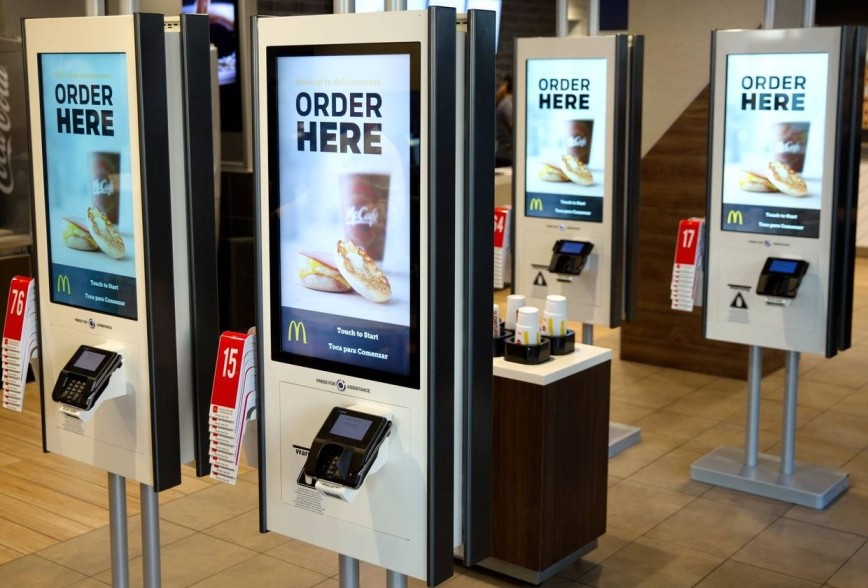
Interactive kiosks also help businesses improve customer engagement. Modern kiosk interfaces can display images, videos, animations, product information, promotions, and personalized recommendations. An attractive and user-friendly interface can make the customer journey more enjoyable while encouraging users to explore additional products or services. For retailers, kiosks can also provide detailed product information that may not be available on physical displays.
Another important benefit is reduced operational workload. Employees can spend less time handling repetitive transactions and answering common questions. Instead, they can focus on more complex customer needs and provide personalized assistance when required. Businesses can therefore improve productivity while maintaining service quality.
Interactive kiosk services are also highly adaptable. Depending on business requirements, a kiosk can include features such as QR-code scanning, barcode readers, card and contactless payment systems, receipt printers, cameras, biometric identification, and accessibility options. The software can be customized to support different languages, services, branding, and customer workflows. This flexibility makes kiosks suitable for a wide range of industries.
In healthcare, for example, interactive kiosks can help patients check in, update information, schedule appointments, and make payments. In hotels, they can support self-check-in and provide information about facilities and local attractions. Restaurants can use kiosks for ordering and payment, while educational institutions can use them for campus navigation, registrations, and information services.
Security and accessibility are also important considerations when implementing an interactive kiosk. Businesses should ensure that customer information is protected through appropriate security measures. Interfaces should be simple to navigate and designed to accommodate users with different abilities. Clear instructions, readable text, accessible screen heights, and multiple language options can make kiosk services more inclusive.
The success of an interactive kiosk depends not only on the hardware but also on reliable software, regular maintenance, and thoughtful user experience design. Businesses should monitor kiosk performance, update software, maintain equipment, and analyze usage data to identify opportunities for improvement.
In conclusion, interactive kiosk services provide businesses with an effective way to combine technology, convenience, and customer service. By enabling fast self-service, reducing operational pressure, and creating engaging digital experiences, kiosks can improve both customer satisfaction and business efficiency. As digital transformation continues, interactive kiosks are likely to become an increasingly important part of modern customer service strategies.
Comments