




Arts have always served as a universal language—one that transcends borders, cultures, and generations. In a world where differences often dominate headlines, the power of creativity continues to bring people together in meaningful and transformative ways. This is exactly what the concept of Arts for Humanity represents. When supported by organizations like the International Cultural Organisation, artistic expression becomes a global tool for unity, healing, and cross-cultural understanding.
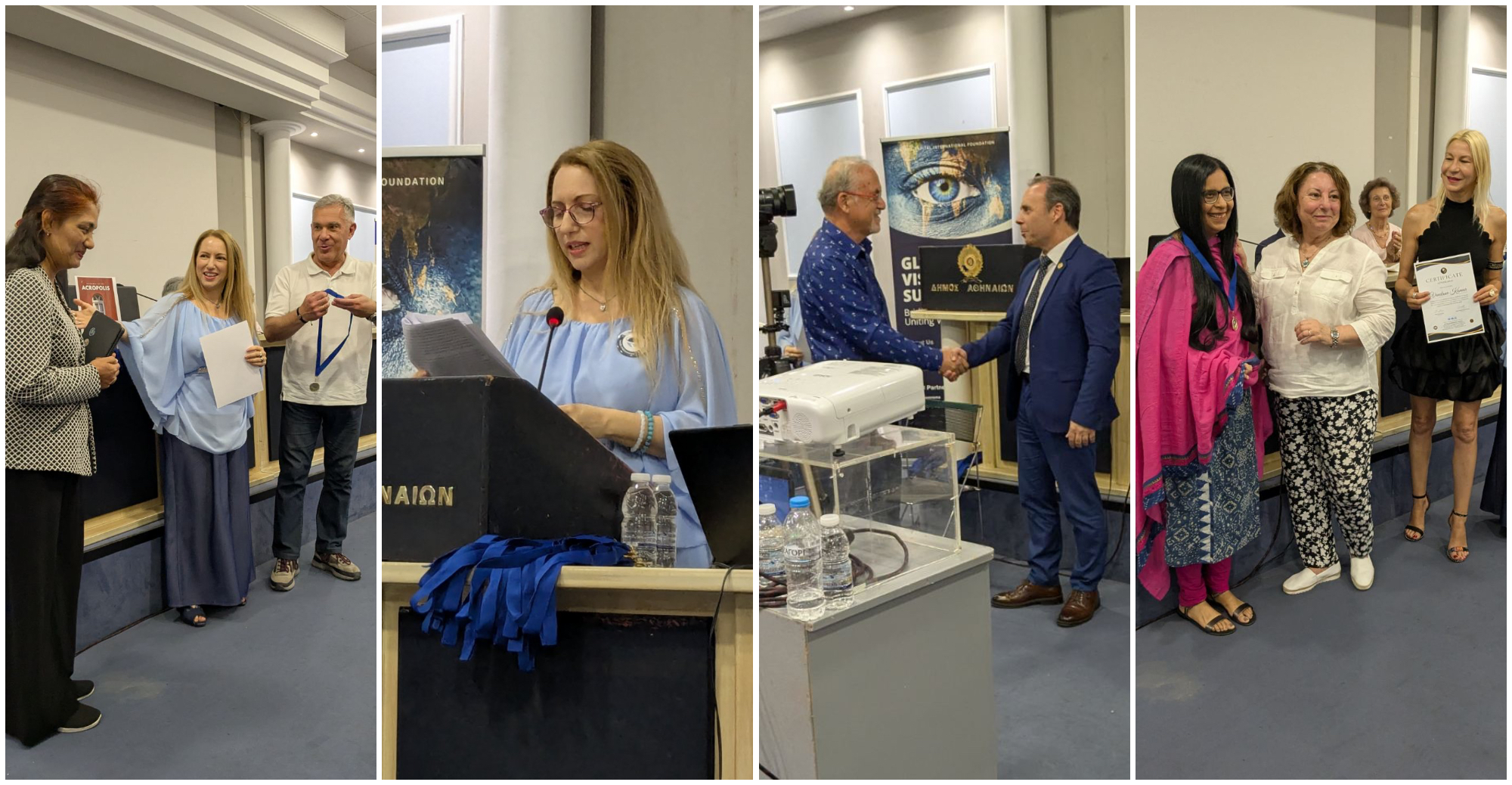
In this article, we explore how creative initiatives shape societies, elevate diverse voices, and connect people worldwide. We also highlight why global collaborations, especially through esteemed institutions, are crucial for promoting cultural harmony.
Understanding the Mission of Arts for Humanity
At its core, Arts for Humanity is about using artistic expression to uplift communities, spark dialogue, and promote social impact. It recognizes that art is not merely entertainment—it is a catalyst for change. Whether through music, painting, dance, poetry, or theatre, art can deliver powerful messages that resonate across cultural boundaries.
The mission is simple yet profound: make art accessible and meaningful for all people, regardless of socio-economic backgrounds. By bringing creative opportunities to underserved communities, Arts for Humanity inspires compassion, confidence, and connection.
This mission aligns perfectly with global cultural goals, particularly those championed by the International Cultural Organisation. Together, they help amplify voices that often go unheard, ensuring that everyone—children, youth, adults, and elders—has a platform for creative expression.
How the International Cultural Organisation Supports Global Creativity
The International Cultural Organisation plays a pivotal role in nurturing creative talent and promoting intercultural exchange. Its initiatives empower communities worldwide by providing resources, training programs, and cultural events that celebrate diversity.
Some key contributions include:
1. Global Art Workshops and Training
The organisation conducts workshops that allow individuals to learn new skills in various art forms. From traditional crafts to modern digital arts, these programs enhance cultural appreciation while providing hands-on creative experiences.
2. International Festivals and Exhibitions
By hosting global cultural festivals, the organisation brings together artists, performers, and audiences from multiple countries. These events create an environment where cultures intermingle, offering participants a chance to share their heritage and artistic identity on an international stage.
3. Cultural Exchange Programs
Exchange programs are essential for fostering mutual understanding. The International Cultural Organisation facilitates opportunities for students, artists, and cultural professionals to collaborate with peers across borders, promoting unity through shared experiences.
4. Community Development Through the Arts
Art also drives social development. Many initiatives supported by the organisation focus on empowering marginalized groups, encouraging self-expression, and using creativity as a tool for emotional and social wellbeing.
The Transformative Impact of Arts for Humanity
When artistic initiatives are intentionally aligned with social development goals, the impact is profound. Here are some ways Arts for Humanity transforms individuals and communities:
1. Strengthening Cultural Identity
Art helps people celebrate their heritage. Whether through traditional dance, indigenous crafts, or storytelling, cultural expression keeps history alive while encouraging younger generations to embrace their roots.
2. Building Emotional Resilience
Creative activities are known to reduce stress, build confidence, and promote healing. For communities affected by conflict, poverty, or discrimination, art becomes a safe space for coping and rebuilding.
3. Encouraging Social Inclusion
Art is for everyone. Through inclusive programmes, Arts for Humanity ensures that people of all backgrounds—including differently-abled individuals, refugees, and economically disadvantaged groups—can participate in meaningful artistic experiences.
4. Inspiring Global Dialogue
Art fosters conversations that might otherwise be difficult to initiate. A single painting, dance performance, or poem can spark discussions about justice, peace, equality, and cultural differences.
Why Global Collaboration Matters
The union of Arts for Humanity and the International Cultural Organisation demonstrates the importance of global collaboration. No single country or community can address cultural misunderstandings alone. By working together, nations can promote peace, cultural respect, and shared humanity.
Cross-border partnerships help:
Spread awareness about cultural diversity
Encourage respect for artistic traditions
Provide platforms for underrepresented communities
Strengthen international diplomacy through soft power
Build opportunities for young artists worldwide
In an era where digital technology connects billions, creative unity has never been more achievable.

The Future of Global Arts and Culture
The future of cultural exchange lies in innovation, inclusivity, and sustainability. With ongoing support from global institutions, the concept of Arts for Humanity will continue to expand—reaching more communities, inspiring more creators, and uplifting more lives.
Whether through virtual exhibitions, global art residencies, or intercultural youth programs, the possibilities for creative collaboration are limitless. As long as organizations like the International Cultural Organisation remain committed to cultural empowerment, the world will continue moving toward a more connected and compassionate global society.
Conclusion
The powerful combination of Arts for Humanity and the International Cultural Organisation proves that creativity is one of the most effective tools for promoting unity. When art becomes a universal bridge, it brings people together, breaks down barriers, and strengthens global understanding.
Comments