





Imagine controlling liquid flow with pinpoint accuracy that’s the world of the syringe pump, where every microliter counts. These devices are essential in laboratories, medical setups, and industrial applications, providing steady, programmable fluid delivery that drastically reduces human error and improves efficiency. The adoption of syringe pumps has expanded beyond traditional labs to biotech firms and research centers seeking consistent results for complex experiments. In this realm, accuracy is paramount.
How Syringe Pumps Change Laboratories
Syringe pumps enable precise control of infusion rates, which is crucial for sensitive experiments. They replace manual dosing methods that are prone to mistakes, allowing scientists to rely on them for continuous delivery in chemistry, biology, and medical research. This level of accuracy ensures better reproducibility of results. Modern models operate silently and often feature digital interfaces that simplify adjustments.
Features Making Syringe Pumps Popular
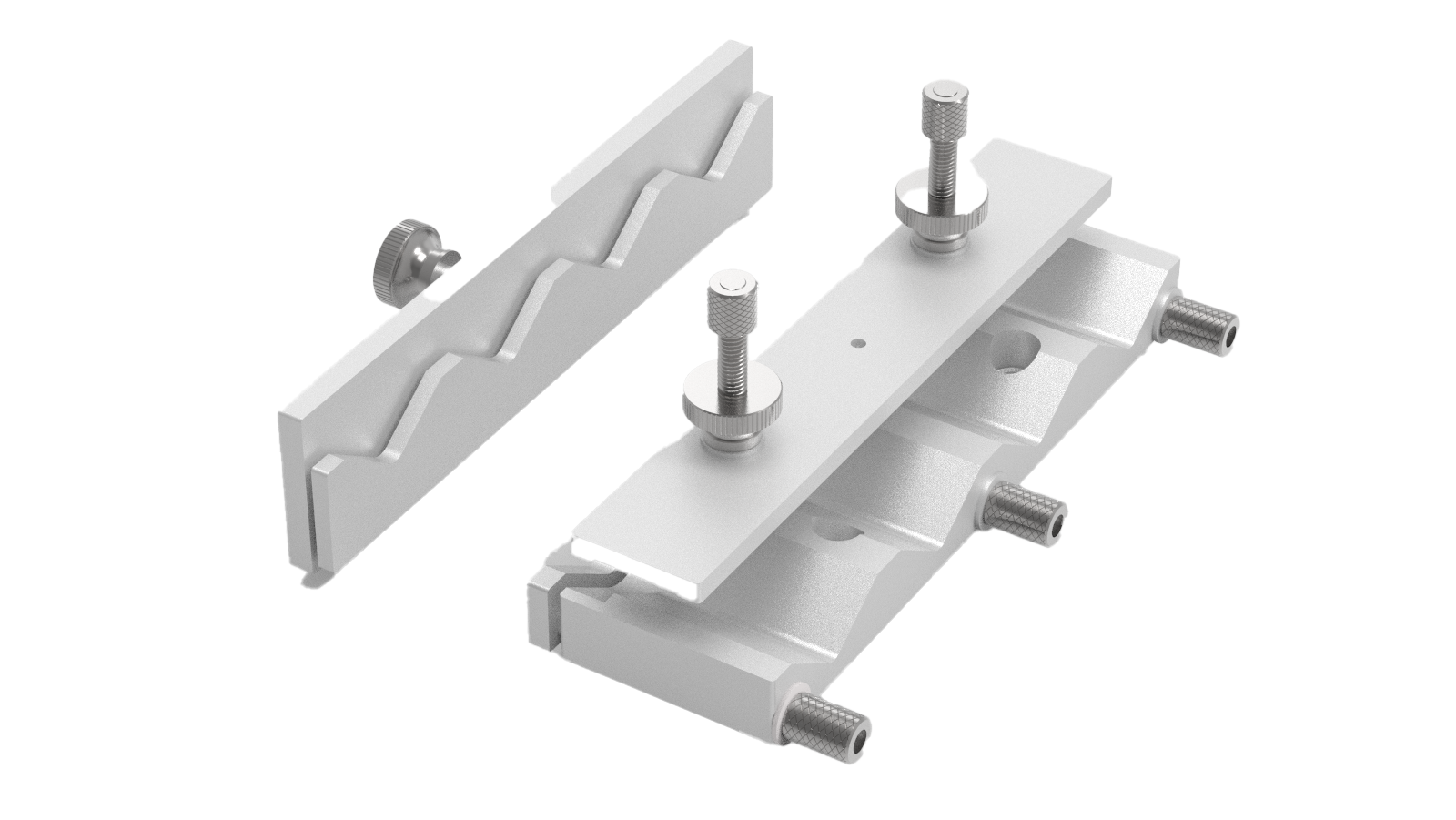
High precision, programmable speed, and adaptable designs make syringe pump systems indispensable. These devices can manage microfluidic experiments, high-pressure injections, and continuous infusions without human intervention. Their compact designs fit comfortably into tight lab spaces while ensuring reliable performance. They are also compatible with various syringe sizes and operate quietly. Safety mechanisms are in place to prevent overflow or damage to samples.
Applications Across the Medical Industry
The medical industry greatly benefits from syringe pump usage in research and drug delivery. Hospitals and clinics use these devices for IV therapy, chemotherapy, and precise medication administration, offering controlled infusion rates that minimise risks to patients. Critical experiments in pharmacology and biotechnology also depend on syringe pumps for accurate reagent delivery. Even small laboratories adopt syringe pumps for microdosing and complex chemical reactions due to their life-saving capabilities.
Advancements Improving Syringe Pump Technology
Technological improvements have made syringe pump devices more sophisticated. Features like programmable controllers, automated feedback systems, and computer integration allow for better monitoring. Remote operation is possible in high-containment labs, and the demand for precision applications drives continuous innovation. Users can adapt quickly, while real-time monitoring prevents errors and enhances the reproducibility of complex experiments.
Future Trends in Syringe Pumps
The future of syringe pump technology promises smarter, connected devices. Integration with IoT and lab automation systems will enhance workflow efficiency. Researchers will be able to track fluid delivery remotely, reduce manual oversight, and ensure highly accurate dosing in real-time. Artificial intelligence may soon optimise delivery rates based on sample feedback, highlighting the ongoing innovation in this field.
Conclusion
In conclusion, the versatility and precision of syringe pumps make them essential in modern laboratories and medical setups. More information about advanced models and their features can be found at chemyx.com. These devices improve accuracy, save time, and reduce human errors. With continued innovation, syringe pumps are transforming experimental protocols, medical treatments, and industrial processes, setting a new standard for precision and efficiency in fluid management across multiple disciplines worldwide
Comments