




Beard hair transplants have become an increasingly popular solution for men seeking to improve facial aesthetics, correct patchy growth, or restore hair lost due to injury, scarring, or medical conditions. While the procedure is highly effective, understanding the expected results and growth timeline is essential for anyone considering a beard hair transplant in Riyadh. Knowledge of the process helps manage expectations, ensures proper post-operative care, and allows patients to appreciate the gradual transformation that occurs over several months. Beard hair transplant in Riyadh has become increasingly popular for men looking to achieve a fuller and well-defined facial hair appearance.
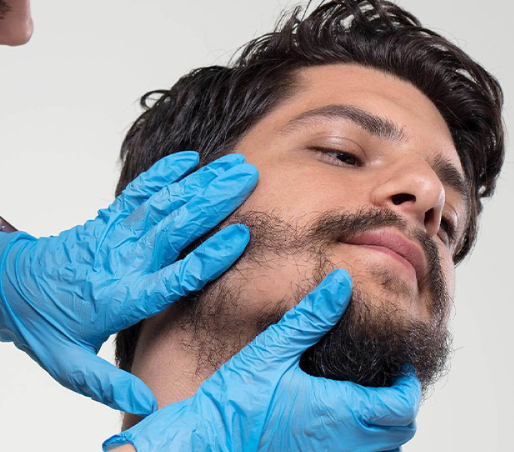
Immediately following the transplant procedure, patients may notice some redness, swelling, and minor scabbing in the treated areas. These effects are completely normal and part of the body’s natural healing response. The newly implanted hair follicles are delicate at this stage, and proper care is crucial to prevent dislodging them. Patients are usually advised to avoid touching or scratching the treated area, refrain from vigorous physical activity, and follow specific cleaning routines recommended by the surgeon. While the transplanted follicles are securely implanted, the hair shafts themselves may appear uneven or sparse initially, which is completely normal and not indicative of the final results.
Within the first two to three weeks after the procedure, most patients experience what is commonly referred to as “shedding.” During this phase, the transplanted hairs may fall out, which can be alarming for some individuals. However, shedding is a normal part of the hair growth cycle and signifies that the follicles have successfully settled into their new location. The hair shafts fall out, but the root remains intact and begins preparing for the next stage of growth. Patients should understand that this temporary hair loss is not a failure of the procedure; rather, it is a standard step toward long-term hair growth.
By the end of the first month, the transplanted follicles enter a resting phase called the telogen phase. During this time, new hair growth is minimal or not visible, which may require patience. It is crucial for patients to continue following post-operative care instructions, including proper washing, moisturizing, and avoiding trauma to the treated area. Neglecting these recommendations can affect the quality and density of future growth. While it may feel like progress has stalled, the follicles are actively regenerating beneath the skin, preparing to produce new, healthy hair.
Around the three- to four-month mark, new hair begins to emerge from the transplanted follicles. Initially, this hair may be fine, soft, and lighter in color compared to the surrounding beard. Over time, the strands thicken and darken, gradually blending with existing facial hair to create a natural appearance. This stage is often exciting for patients, as it provides the first visible indication that the transplant is taking effect. At this point, styling the beard may still be limited, and patients are usually advised against trimming or shaving excessively to avoid disrupting the delicate new growth.
Between six and nine months post-procedure, the majority of transplanted hair becomes more robust and takes on a consistent texture and color. Patchy areas begin to fill in, and the overall density of the beard improves significantly. By this stage, patients can usually start shaping, trimming, and styling their beard with more confidence, as the hair has established a solid foundation. The results are increasingly noticeable, with a fuller and more uniform appearance enhancing facial symmetry and aesthetics. For many men, this period represents a turning point, as the beard starts to closely resemble the intended final outcome.
The final results of a beard hair transplant typically become evident between twelve and eighteen months after the procedure. By this time, the hair has fully matured, and patients can enjoy a natural, permanent beard with consistent density and growth direction. The transplanted hairs integrate seamlessly with existing facial hair, allowing for various styling options, from short stubble to a full, thick beard. The transformation can have a profound impact on self-confidence, social perception, and overall facial aesthetics. Patients often report feeling more masculine, well-groomed, and satisfied with their appearance once the full results are realized.
It is important to note that individual growth timelines can vary based on factors such as age, genetics, lifestyle, and adherence to post-operative care instructions. Some patients may notice earlier growth, while others may experience slightly longer waiting periods for visible results. Maintaining proper skin and hair care during the recovery period can optimize outcomes, ensuring that the transplanted follicles thrive and continue producing healthy hair over the long term.
In conclusion, the expected results and growth timeline for beard transplants involve a gradual but predictable process. Initial redness and scabbing give way to a shedding phase, followed by the emergence of fine new hair that thickens and matures over several months. Most patients can anticipate full results within twelve to eighteen months, achieving a natural, dense, and well-defined beard that enhances facial aesthetics. Patience, proper care, and realistic expectations are essential throughout this journey, as the process transforms not just the beard but also the individual’s overall confidence and appearance. A beard hair transplant in Riyadh offers men a reliable path to achieving their desired facial hair and enjoying long-lasting, aesthetically pleasing results.
Comments