


Introduction
Even the best market predictions can flip on you in an instant. In the risky world of CFD trading, more than 71% of retail CFD accounts lose money, often because people trade without the right safety measures. What sets apart success from failure? Two super simple but game-changing tools: stop-loss in CFD trading and take-profit in CFD trading.
Think of SL/TP orders as your trading seatbelt. They won’t stop every crash, but they’ll save you from devastating losses. No matter if you’re just starting or you’ve been trading for a while, mastering these risk controls is non-negotiable. This guide will help you with:
What Are Stop-Loss and Take-Profit Orders?
What is a Stop-Loss?
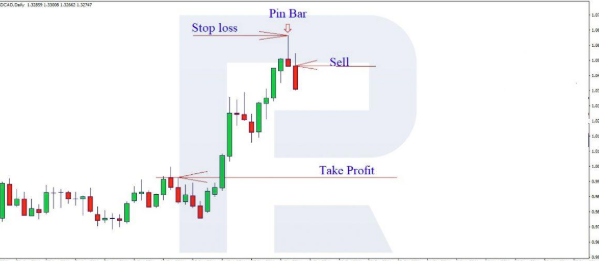
Stop-loss in CFD trading is an order that automatically closes your position if the market moves against you by a certain amount, keeping your losses in check. For instance, if you buy a Gold CFD at $1,800, you might set a stop-loss 3% below entry at $1,746 to limit your downside.
What is a Take-Profit?
Take-profit in CFD trading works the opposite way, closing your trade when the market reaches your profit goal. Using the same example, if you set a take-profit at a 5% gain, and gold goes up to $1,890 (which is a 5% increase from $1,800), your position closes automatically, locking in your profit.
These tools can be very helpful, especially for those who are beginners in CFD trading. Both orders act as automatic risk controls, removing emotional decision-making from exit points.
Why Stop-Loss and Take-Profit Orders Matter in CFD Trading
Effective stop-loss in CFD trading and take-profit in CFD trading orders are the backbone of a solid CFD risk management plan. Here’s why every trader needs them:
- Stopping Emotional Trading Mistakes: Without predefined SL/TP orders, traders often hold losing positions, hoping for a reversal or closing winning trades too early out of fear, which are common psychological trading mistakes that erode profits. By automating exits, you remove emotion and stick to your CFD trading strategy.
- Getting a Good Risk-Reward Ratio: A well-defined risk-reward ratio in CFD trading (risking 1% to make 2%) ensures that potential gains comfortably exceed potential losses. Using SL/TP orders enforces this discipline, so even if only half your trades succeed, you remain profitable.
- Protecting Against Market Swings: CFDs on forex, indices, and commodities can experience sudden market volatility in CFD, especially during economic releases. SL orders protect your account from big drops, and TP orders help you secure gains before sudden reversals.
Imagine buying Gold CFD at 1,950 without setting a stop-loss (SL). The price drops to 1,930, but instead of cutting losses, you hold, hoping for a rebound. It falls further to 1,900, turning a small loss into a massive one.
How to Determine the Right SL and TP Levels
Picking the right stop-loss in CFD trading and take-profit in CFD trading levels is a mix of technical analysis, understanding market ups and downs, and knowing how much risk you're okay with.
Technical Tips: Use support and resistance levels. Set your stop-loss just below support and your take-profit near resistance. You can also use moving averages or ATR-based stops that adjust to how volatile the market is.
Fixed Percentage Method: A straightforward way is to set a fixed percentage stop-loss (2%) and a TP double that risk (4%), which enforces a 1:2 risk-reward ratio consistently across markets.
Style-Specific Settings:
Technical Tips: Use support and resistance levels. Set your stop-loss just below support and your take-profit near resistance. You can also use moving averages or ATR-based stops that adjust to how volatile the market is.
Fixed Percentage Method: A straightforward way is to set a fixed percentage stop-loss (2%) and a TP double that risk (4%), which enforces a 1:2 risk-reward ratio consistently across markets.
Style-Specific Settings:
- For Scalpers: Keep tight stop-losses (0.5%-1%) and take-profits (1%-2%) on short charts (1-5 minutes).
- For Day Traders: Set stop-losses at 1%-2% and take-profits at 2%-4% on 15-minute to hourly charts.
- For Swing Traders: Use stop-losses of 3%-5% and take-profits of 6%-10% on 4-hour to daily charts.
Always calculate SL/TP in pips or percentages before placing orders to maintain disciplined CFD risk management.
How to Set SL and TP on Popular CFD Trading Platforms
Navigating platform interfaces is key to making sure your stop-loss in CFD trading and take-profit in CFD trading orders are applied correctly.
MetaTrader 4/ MetaTrader 5 (MT4/MT5)
- At Order Entry: In the “New Order” window, type in your entry price, then fill the Stop Loss and Take Profit fields before clicking “Buy” or “Sell.”
- Post-Entry: Right-click an open position in the “Terminal” panel, choose “Modify or Delete Order,” then adjust SL/TP levels.
- Plus500: Click “Trade,” select SL/TP checkboxes, and input pips or absolute price levels.
- eToro: In the “Open Trade” dialog, toggle “Stop Loss” and “Take Profit,” then drag the price markers on the chart or enter values numerically.
Mobile Apps
- General UX: Open your position ticket, tap the gear/settings icon, and input SL/TP values. Some apps let you slide chart markers for instant visual placement.
Tip: Verify your automated SL/TP settings by checking the order ticket summary before confirming.
Common Mistakes When Using SL/TP – And How to Avoid Them
Mastering SL/TP requires strategic placement and ongoing adjustments.
Advanced Tactics: Trailing Stops & Break-Even Strategies
Once you feel good about the basics, try these advanced methods to take your CFD risk management to the next level.
For more info :-
Comments