


- Abuse & The Abuser
- Achievement
- Activity, Fitness & Sport
- Aging & Maturity
- Altruism & Kindness
- Atrocities, Racism & Inequality
- Challenges & Pitfalls
- Choices & Decisions
- Communication Skills
- Crime & Punishment
- Dangerous Situations
- Dealing with Addictions
- Debatable Issues & Moral Questions
- Determination & Achievement
- Diet & Nutrition
- Employment & Career
- Ethical dilemmas
- Experience & Adventure
- Faith, Something to Believe in
- Fears & Phobias
- Friends & Acquaintances
- Habits. Good & Bad
- Honour & Respect
- Human Nature
- Image & Uniqueness
- Immediate Family Relations
- Influence & Negotiation
- Interdependence & Independence
- Life's Big Questions
- Love, Dating & Marriage
- Manners & Etiquette
- Money & Finances
- Moods & Emotions
- Other Beneficial Approaches
- Other Relationships
- Overall health
- Passions & Strengths
- Peace & Forgiveness
- Personal Change
- Personal Development
- Politics & Governance
- Positive & Negative Attitudes
- Rights & Freedom
- Self Harm & Self Sabotage
- Sexual Preferences
- Sexual Relations
- Sins
- Thanks & Gratitude
- The Legacy We Leave
- The Search for Happiness
- Time. Past, present & Future
- Today's World, Projecting Tomorrow
- Truth & Character
- Unattractive Qualities
- Wisdom & Knowledge






FOLLOWERS
0
Users
Health & Wellness Wednesdays
Working Out In The Heat
My husband tends to be an extreme kind of guy. He is either ALL IN on something or ALL OUT.
Right now he is really focused on exercising. He goes to martial arts classes a few times a week and is working on getting out for a run or walk outside multiple times per week. The trouble is that we live in an area where our summers are very hot.
A typical temperature in the summer months here is around 35-40°C (95-104°F). It gets very hot…too hot to be working out in the heat! If you want to get outside for exercise around here in the summer months, it either has to be early in the morning or late at night. Even at those times it is still almost unbearable to exercise.
However, my husband being the all or nothing type, has decided that he is going to exercise outside no matter what. I’ve tried to convince him otherwise…that he needs to go early before the day really heats up. But one day last week he decided to go in the early afternoon when it was already super hot. I told him it was too hot, but he was not having any of it (lol!).
Off he went into the heat - at least he took a water bottle with him. He did it, and said that he was feeling ok when he got home and he wasn’t too overheated.
The problem was that a few hours later he ended up really not feeling well. I’m pretty sure he ended up with a bit of heat stroke. It wasn’t anything serious but enough for him to recognize that working out in the extreme heat is not a great idea.
From now on he will be going earlier in the day before the sun is beating down with extreme temperatures.
What about you - what’s your threshold for working out in the heat?
Interesting Fact #1
Heat stress is an environmental and occupational hazard, resulting from physical activity in hot or humid environments capturing a spectrum of heat-related illnesses, including heat stroke, which can lead to death.
Interesting Fact #2
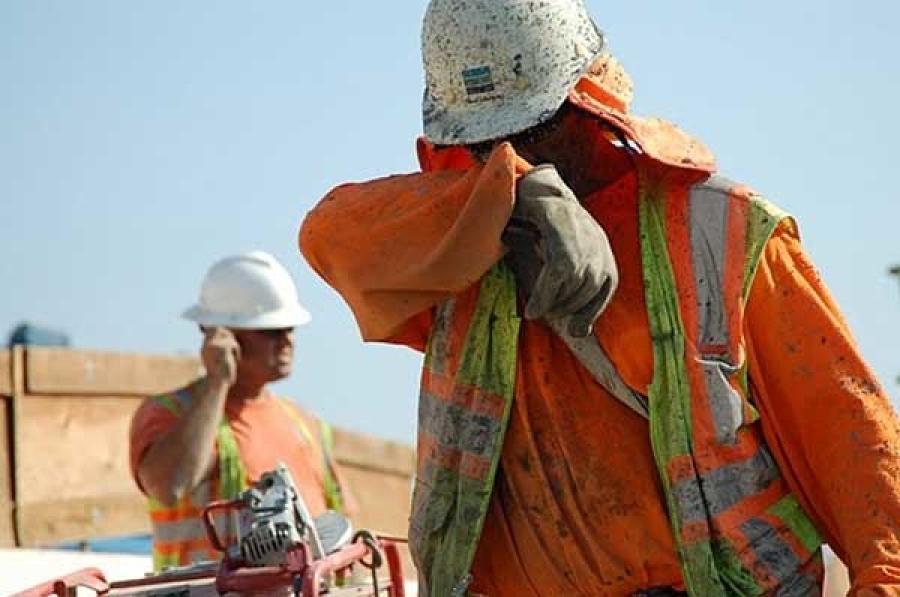
Every day, millions of workers are exposed to high levels of heat in their workplaces and this exposure can be a matter of life and death. Even though illness from exposure to heat is preventable, every year, thousands become sick from occupational heat stress, and in some cases, die from this exposure.
Interesting Fact #3
Tragically, there have been incidents where workers have seemed fine during a work shift and a couple of hours later were found having seizures or were found unconscious. Specialty work (like in a confined space), especially with heat-generating equipment or appliances, can quickly render workers exhausted and overheated. Workers wearing protective gear or equipment are at an even higher risk for heat-related issues, given that protective gear can trap heat next to the body.
Quote of the day
“He who cannot put his thoughts on ice should not enter into the heat of dispute.” ― Friedrich Nietzsche
Article of the day - Avoid Heat-related Illnesses and Death
The human body is normally able to regulate its temperature through sweating, until it is exposed to more heat than it can handle. Heat exhaustion and heat stroke can escalate rapidly, leading to delirium, organ damage and even death. In 2023, 294 people died in the U.S. from weather-related excessive heat, according to Injury Facts.
People most at risk include:
● Those who work in the heat
● Infants and young children, especially if left in hot cars
● People 65 and older
● People who are ill, have chronic health conditions or are on certain medications
● People who are overweight
If your job requires you to work outside in hot weather, you and your supervisors can take precautions to minimize the risk of heat-related illnesses. OSHA says:
● Working shorter shifts until workers have adjusted to the heat
● Staying hydrated and drinking before you get thirsty
● Watch out for co-workers exhibiting signs of heat exhaustion or heat stroke
● Take time to rest and cool down
Heat Can Put Workers at Risk Outdoors and Indoors
While most people are aware of heat stress risks for outdoor workers due to intense sunlight, high temperature and humidity, indoor heat stress is often underestimated. This is especially true when there is an indoor heat source, such as an oven or furnace, or when indoor workspaces lack climate controls.
The American Industrial Hygiene Association has developed a Heat Stress mobile app that can help both outdoor and indoor workers assess job-related heat risks.
Learn more about AIHA's Heat Stress app.
Heat Illness Symptoms
Knowing the symptoms and proper response to these illnesses can save a life.
Heat Exhaustion
When the body loses excessive water and salt, usually due to sweating, heat exhaustion can occur. According to the free NSC First Aid Quick Reference app, signs and symptoms include:
● Pale, ashen or moist skin
● Muscle cramps (especially for those working or exercising outdoors in high temperatures)
● Fatigue, weakness or exhaustion
● Headache, dizziness or fainting
● Nausea or vomiting
● Rapid heart rate
Uncontrolled heat exhaustion can evolve into heat stroke, so make sure to treat victims quickly:
● Move victims to a shaded or air-conditioned area
● Give water or other cool, nonalcoholic beverages
● Apply wet towels, or have victims take a cool shower
Heat Stroke
Seek medical help immediately if someone is suffering from heat stroke. Signs include:
● Body temperature above 103 degrees
● Skin that is flushed, dry and hot to the touch; sweating has usually stopped
● Rapid breathing
● Headache, dizziness, confusion or other signs of altered mental status
● Irrational or belligerent behavior
● Convulsions or unresponsiveness
Immediately take action:
● Call 911
● Move the victim to a cool place
● Remove unnecessary clothing
● Immediately cool the victim, preferably by immersing up to the neck in cold water (with the help of a second rescuer)
● If immersion in cold water is not possible, place the victim in a cold shower or move to a cool area and cover as much of the body as possible with cold, wet towels
● Keep cooling until body temperature drops to 101 degrees
● Monitor the victim's breathing and be ready to give CPR if needed
DO NOT:
● Force the victim to drink liquids
● Apply rubbing alcohol to the skin
● Allow victims to take pain relievers or salt tablets
The best way to avoid a heat-related illness is to limit exposure outdoors during hot days. According to the Centers for Disease Control and Prevention:
● Air conditioning is the best way to cool off
● Drink fluids, even if you don’t feel thirsty, and avoid alcohol
● Wear loose, lightweight clothing and a hat
● Replace salt lost from sweating by drinking fruit juice or sports drinks
● Avoid spending time outdoors during the hottest part of the day, from 11 a.m. to 3 p.m.
● Wear sunscreen; sunburn affects the body's ability to cool itself
● Pace yourself when you run or otherwise exert your body
Keep Each Other Safe
In your community, please check in on neighbors who are elderly, house-bound or otherwise may be reluctant to ask for help. You can offer to host them in the air-conditioned comfort of your living room on hot days, drive them to a local cooling center, or call relatives or city services to arrange for them to stay cool.
Question of the day - What temperature do you think is too hot for exercising?
Activity, Fitness & Sport
What temperature do you think is too hot for exercising?
Daily archives
Current Survey
Top 5 Contributors (Dec)

20209 pts

12060 pts

10714 pts

10417 pts

10117 pts