




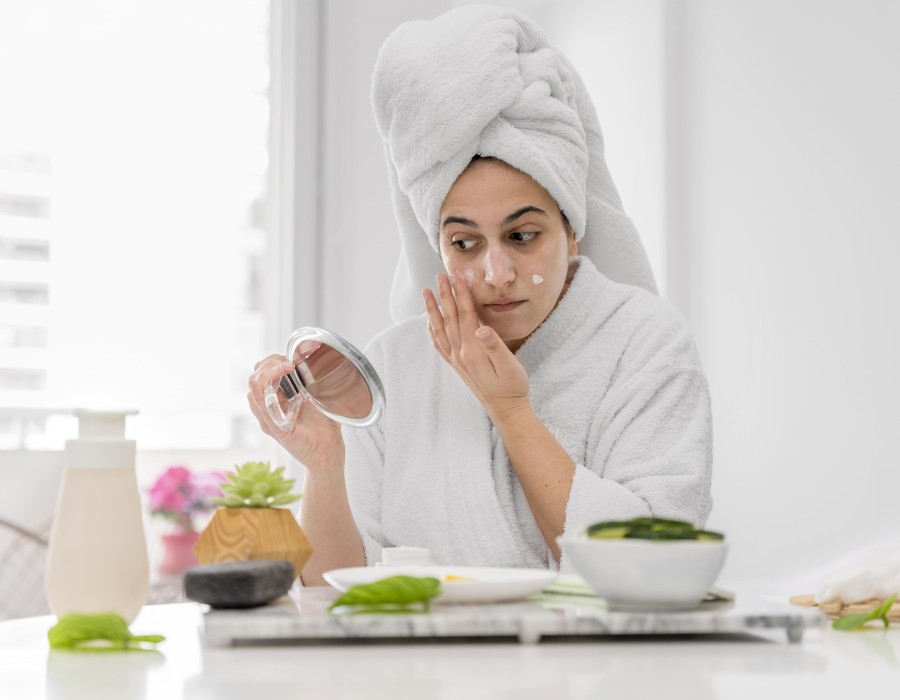
Acne may seem like a beauty concern, but for many active individuals — especially athletes — it can affect performance, confidence, and comfort. Sweat, heat, and constant training often trigger breakouts, making it important to understand what truly works. In this blog, we compare natural remedies vs clinical treatments for acne, exploring whether simple home-based solutions can compete with dermatologist-approved options. This guide is written to help sports enthusiasts find effective, safe, and sustainable ways to manage acne, with insights that fit their active lifestyle. You'll also find practical notes and expert-backed perspectives to support long-term skin health. ( MBM – Market Business Magazine)
Natural Remedies vs Clinical Treatments: What Works for Acne?
Understanding the Difference
Natural Remedies: What Are They?
Natural remedies include plant-based ingredients, DIY masks, herbal extracts, oils, and routines that people use for mild acne relief. They appeal to athletes because they are affordable, accessible, and easy to apply post-training. Common examples include aloe vera gel, tea tree oil, honey masks, apple cider vinegar toners, and green tea rinses. These options can help calm inflammation, reduce bacteria, and support overall skin healing, especially for mild to moderate acne.
Clinical Treatments: What Do They Include?
Clinical treatments are medically tested solutions recommended by dermatologists. These include topical creams (benzoyl peroxide, retinoids), oral antibiotics, chemical peels, laser therapy, and prescription medications. For those in sports who face repeated breakouts due to sweat and oil buildup, clinical treatments often offer stronger and faster results. They are also ideal for persistent, cystic, or hormonal acne that natural remedies can't manage alone.
Natural Remedies Explained
Aloe Vera for Soothing Inflammation
Aloe vera is widely used by athletes for its cooling and healing effects. It reduces redness and irritation after intense workouts. While aloe can help soothe acne-prone skin, it does not remove deep bacteria or unclog pores, meaning results can be slow. Still, it’s a safe addition to any routine.
Tea Tree Oil for Surface-Level Bacteria
Tea tree oil is a popular natural antibacterial agent. It helps fight surface bacteria, especially when applied after cleansing sweat and dirt from the skin. However, direct application may irritate sensitive skin, so dilution is essential. It works best for small pimples or mild breakouts.
Home Masks for Detoxification
Masks made from honey, turmeric, or clay can temporarily reduce oiliness and draw out impurities. For athletes with oily skin, clay masks can help control sebum after training sessions. However, these remedies are not strong enough to treat deeper acne lesions.
Clinical Treatments Explained
Topical Creams for Regular Breakouts
Clinical topical solutions like benzoyl peroxide or salicylic acid work by killing acne-causing bacteria and clearing blocked pores. They are ideal for sports professionals dealing with sweat-induced acne. These treatments offer faster results and are easy to use as part of a routine.
Retinoids for Long-Term Skin Renewal
Retinoids improve cell turnover, preventing clogged pores — a common issue for athletes wearing helmets, headbands, or face guards. While effective, they may cause initial dryness. Consistency is key.
Professional Procedures for Severe Acne
Chemical peels, microdermabrasion, and laser therapy are recommended for deep or recurrent acne. These treatments help athletes maintain clear skin despite demanding training schedules. Professional procedures also reduce acne scars, improving long-term skin appearance and confidence. (Internal link mention: Readers can explore more lifestyle and skincare insights on MBM — Market Business Magazine.)
Which One Works Best for Athletes?
Combination Approach
For active individuals, combining natural remedies with clinical treatments often delivers the best results. For example:
- Use aloe vera post-workout to calm skin.
- Use a dermatologist-recommended cream at night for active acne.
- Use natural masks weekly to control oil.
Why Sweat Matters
Sweat is not the cause of acne, but when it mixes with bacteria and oil, it can clog pores — especially under helmets or tight sportswear. Athletes may need stronger clinical support to keep pores clean and prevent flare-ups.
Consistency Over Intensity
Whether you choose natural or clinical options, consistent care matters more. Skincare must align with your training routine to remain effective.
Practical Notes for Sports Enthusiasts
- Shower or cleanse immediately after training to prevent sweat from clogging pores.
- Use lightweight, non-comedogenic products under gear or helmets for minimal irritation.
- Avoid picking or squeezing pimples, as sweat can worsen inflammation and slow healing.
Final Thoughts
Natural remedies and clinical treatments both have a place in acne care, especially for athletes and active individuals. Natural remedies offer soothing, supportive care, while clinical treatments deliver stronger results for persistent acne. The best approach often blends both: calming ingredients from nature with medically proven treatments. Whether you’re training daily or engaging in occasional sports, maintaining a simple, consistent skincare routine can effectively manage acne and boost your confidence. By understanding what truly works, athletes can take control of their skin health and continue performing at their best.
Comments